Upholstery Cleaning in Modern Homes: Fresh, Healthy, and Long-Lasting Results
Upholstery cleaning in today’s homes is about much more than appearance. Sofas, armchairs, dining chairs, ottomans, and fabric headboards collect dust, oils, food particles, allergens, pet hair, and everyday grime far faster than most people realize. Over time, that buildup can make furniture look tired, smell stale, and wear out sooner than expected. Regular upholstery cleaning helps restore freshness, improve indoor comfort, and protect the investment you have made in your furnishings.
Whether you live in a busy family household, manage a rental property, or simply want a cleaner living environment, upholstery cleaning is one of the most practical services you can arrange. It supports a healthier indoor space, enhances fabric appearance, and can even extend the life of your favorite furniture. If you have been searching for a reliable way to revive your soft furnishings, upholstery cleaning in a professional setting can deliver impressive results when done correctly.
In this article, we’ll explore what upholstery cleaning involves, why it matters, how the process works, the different cleaning methods, and how to keep fabrics in better condition between professional visits. You’ll also learn how to choose the right service and what factors influence the final result.
What Upholstery Cleaning in Practice Really Means

Upholstery cleaning refers to the care and deep cleaning of fabric-covered furniture and soft surfaces. This includes sofas, recliners, dining chairs, office chairs, cushions, sectionals, and other upholstered items. The goal is to remove embedded dirt, stains, odors, bacteria, and allergens without damaging the material.
Unlike surface vacuuming, upholstery cleaning reaches deeper into fibers where ordinary dusting cannot go. Many fabrics trap microscopic particles, especially in seams, tufted areas, and under cushions. That is why professional upholstery cleaning in homes and commercial spaces is often recommended at regular intervals rather than only when visible stains appear.
Different fabrics require different treatment. Cotton, linen, microfiber, velvet, wool blends, synthetic blends, and leather each need specific cleaning approaches. A trained technician assesses the fabric type, construction, and condition before selecting a safe and effective method.
Why Upholstery Cleaning Matters for Homes and Businesses

Furniture is one of the most used and most overlooked elements in any room. People sit on sofas daily, eat on dining chairs, and rest against cushions for long periods. This repeated use causes oils from skin, sweat, hair products, and food residue to accumulate. Add pets, children, spills, and dust, and upholstery can become a hidden source of dirt.
Regular upholstery cleaning in homes can help reduce allergens such as dust mites, pollen, and pet dander. For people with asthma or sensitivities, cleaner upholstery may contribute to a more comfortable indoor environment. It also helps minimize stale odors caused by trapped particles and moisture.
From a visual standpoint, clean fabric simply looks better. Colors appear brighter, patterns stand out more clearly, and the entire room feels fresher. Professional upholstery cleaning can make older furniture look surprisingly revived, which is especially valuable when replacing pieces is not practical or budget-friendly.
Key benefits at a glance
- Helps remove deep-seated dirt and debris
- Reduces allergens and irritants in living spaces
- Improves appearance and freshness
- Supports longer fabric life
- Removes many everyday odors
Common Problems Upholstery Cleaning Can Address
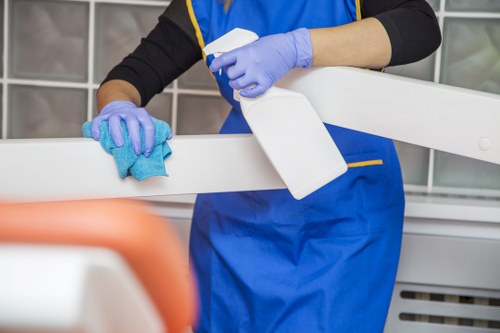
Many homeowners wait until a spill or stain becomes obvious before thinking about upholstery cleaning. However, upholstery often develops several problems gradually. The sooner they are addressed, the better the result tends to be.
Stains are one of the most noticeable concerns. Food and drink spills, ink, makeup, and pet accidents can leave marks that are difficult to remove with household products. Upholstery cleaning in a professional setting uses targeted solutions and extraction methods that are typically more effective than general-purpose cleaners.
Another common issue is odor. Fabrics absorb smells from pets, smoke, cooking, moisture, and everyday use. These odors can linger even after the room has been aired out. Professional cleaning helps neutralize odor-causing buildup rather than masking it temporarily.
Other problems that can be treated include:
- Dust and allergens trapped in the fibers
- Discoloration from sunlight or wear
- Body oil accumulation on arms and headrests
- Pet hair and dander embedded in fabric
- General dullness and tired-looking upholstery
In many cases, a furniture refresh can make a room feel cleaner without any major redecorating. That is why upholstery cleaning is often paired with carpet care and rug maintenance for a complete indoor reset.
How Professional Upholstery Cleaning in a Typical Service Works

The upholstery cleaning process usually begins with inspection. The technician checks the fabric type, age, color stability, and current condition. They may also identify any existing stains, weak seams, or worn areas that require extra caution. This initial assessment helps determine the safest and most effective cleaning method.
Next comes pre-treatment. Loose dirt, pet hair, and dust are removed using specialized vacuuming tools and brushes. Targeted stain treatments may then be applied to break down oils, food residue, and other contaminants. For heavily soiled items, a more intensive pre-conditioning stage may be used to loosen embedded debris.
After preparation, the actual cleaning begins. Depending on the fabric and condition, this may involve hot water extraction, low-moisture cleaning, foam cleaning, dry cleaning, or encapsulation. The method is chosen to achieve a thorough clean while protecting the material’s texture and structure.
Typical stages of a service
- Inspection and fabric identification
- Vacuuming and dry soil removal
- Spot treatment and pre-conditioning
- Deep cleaning using the chosen method
- Controlled drying and finishing touches
Good upholstery cleaning in any setting should leave fabric clean, refreshed, and evenly treated. It should not over-wet the material or leave sticky residue behind.
Popular Upholstery Cleaning Methods
Different pieces of furniture and different fabric types require different cleaning approaches. Understanding the main methods can help you know what to expect when scheduling upholstery cleaning in your home or business.
1. Hot Water Extraction
This method uses heated cleaning solution and powerful extraction to remove dirt from fabric fibers. It is highly effective for many synthetic upholstery types and for furniture with significant buildup. Because it uses moisture, proper drying is essential afterward.
2. Dry Cleaning
Dry cleaning uses minimal moisture and specialized solvents. It is often preferred for delicate fabrics that may shrink or distort with water-based cleaning. This method can be a smart choice for items marked with care codes that limit wet cleaning.
3. Foam Cleaning
Foam cleaning applies a controlled foam product to the upholstery surface. The foam lifts dirt while limiting saturation. It can work well for fabrics that need gentle treatment but still require noticeable soil removal.
4. Encapsulation Cleaning
Encapsulation involves applying a solution that surrounds dirt particles and crystallizes as it dries. Once dry, the residue is vacuumed away. This approach is often appreciated for its quick drying time and low-moisture benefits.
Which method is best?
The right method depends on the fabric label, the level of soiling, and whether the piece has delicate trim, padding, or specialty construction. Upholstery cleaning in experienced hands should always begin with a careful evaluation rather than a one-size-fits-all approach.
Fabric Types and Why They Need Different Care
Not all upholstery fabrics behave the same way. A cleaning product or method that works well on microfiber may not be appropriate for velvet or wool. That is why professional upholstery cleaning is so valuable: it accounts for the differences that homeowners may not notice at first glance.
Microfiber is generally durable and responds well to controlled cleaning, though it can show water marks if over-wet. Cotton and linen may look elegant, but they can be more prone to shrinkage, wrinkling, or color change if treated aggressively. Velvet requires extra care to maintain its pile and texture. Leather, while technically not fabric upholstery, also benefits from specialized cleaning and conditioning.
Before any work begins, technicians may check for a manufacturer’s cleaning code. Common labels include:
- W for water-based cleaning
- S for solvent-based cleaning
- WS or SW for either water or solvent methods
- X for vacuuming only
Why this matters
Ignoring care instructions can lead to shrinking, fading, fiber damage, or permanent texture changes. Proper upholstery cleaning in line with fabric guidance helps protect both appearance and value.
Signs Your Furniture Needs Upholstery Cleaning
Many people can tell when furniture is visibly dirty, but there are also subtle signs that upholstery needs attention. If your furniture no longer feels fresh, it may be time to schedule cleaning even if no large stain is visible.
One sign is dullness. Fabrics that once looked bright may begin to appear flat or shadowed. Another is odor. If your sofa smells stale when you sit down, trapped buildup is likely the cause. Rough texture, frequent sneezing near furniture, and visible traffic patterns are also strong indicators.
Other warning signs include darkening around armrests, cushion edges, and head areas. These are the zones most exposed to body oils and repeated contact. In many cases, upholstery cleaning in these high-touch areas can produce immediate visual improvement.
Look out for these clues:
- Persistent odors
- Visible stains or rings
- Dust or lint that returns quickly
- Allergy symptoms near furniture
- Fabric that looks worn or unevenly colored
How Often Should Upholstery Be Cleaned?
The ideal frequency depends on how the furniture is used. A family sofa in a busy living room will need upholstery cleaning more often than a rarely used guest chair. Homes with pets, children, or heavy daily traffic usually need more frequent service.
As a general rule, many households benefit from professional upholstery cleaning every 12 to 24 months. However, high-use furniture or items exposed to spills, pet activity, or smoke may need attention sooner. For businesses, waiting too long can allow stains and odors to build up in a way that affects the entire environment.
Routine maintenance is just as important as deep cleaning. Vacuuming, prompt spot treatment, and quick spill response can make the interval between services more manageable. Upholstery cleaning in a planned schedule helps maintain a cleaner appearance and reduces long-term fabric wear.
Factors that affect cleaning frequency
- Number of occupants in the home
- Presence of pets
- Food and drink use on furniture
- Exposure to dust, smoke, or outdoor pollutants
- Fabric type and color
DIY Upholstery Care vs Professional Cleaning
Many people try to handle upholstery cleaning on their own, and simple maintenance can absolutely help. Vacuuming furniture weekly, blotting spills quickly, and using fabric-safe spot treatments are all useful habits. But there is a limit to what DIY care can achieve.
Home cleaning products can sometimes spread stains, over-wet fabric, or leave behind residue that attracts more dirt. Some spot removers are too harsh for delicate textiles and can cause fading or texture changes. On the other hand, professional upholstery cleaning in trained hands uses fabric-specific products and equipment designed to clean more evenly and safely.
Professional services are especially valuable for older furniture, heavily soiled items, and pieces with delicate construction. If you have attempted spot cleaning without success, or if your furniture needs a deeper refresh, professional treatment is usually the better choice.
DIY care can help with:
- Routine dust removal
- Light surface dirt
- Immediate spill blotting
- Odor reduction between services
Professional cleaning is better for:
- Deep stains
- Embedded allergens
- Heavy traffic marks
- Delicate or high-value fabrics
Preparing for Upholstery Cleaning in Your Home
Good preparation helps make the cleaning process smoother and can improve results. Before the appointment, clear small items, blankets, pillows, and decorative objects from the furniture. If possible, vacuum loose debris and pet hair from the surfaces and crevices. This makes it easier for the technician to focus on deep cleaning rather than basic debris removal.
You should also point out any problem areas, such as food stains, pet accidents, or fragile fabric sections. Clear communication helps the cleaning team choose the right approach. If your furniture has special care instructions or warranty information, it is helpful to have that available too.
Make sure the area around the furniture is accessible. Move small tables, lamps, or decorations if needed. Proper access allows for more efficient upholstery cleaning in tight spaces and reduces the chance of accidental contact with nearby items.
Simple preparation checklist
- Remove cushions, throws, and small accessories
- Vacuum if possible
- Identify stains and problem areas
- Check fabric care labels
- Provide easy access to the furniture
Aftercare: Keeping Upholstery Cleaner for Longer
Once your furniture has been professionally cleaned, a few simple habits can help preserve the results. Avoid sitting on upholstery until it is fully dry, especially after wet cleaning. If the technician recommends ventilation or fan use, follow that advice to support faster drying.
Rotate cushions regularly to help distribute wear more evenly. Vacuum upholstery weekly using a soft brush attachment to remove dust and lint before it settles deeper into the fibers. Address spills right away by blotting, not rubbing. Rubbing can push liquid deeper into the upholstery and spread the stain.
For homes with pets, use protective throws where appropriate and brush animals regularly to reduce shedding. Sunlight can also affect fabric color over time, so consider window coverings or rearranging furniture if a piece receives constant direct exposure. These habits work well alongside scheduled upholstery cleaning in maintaining a fresh interior.
Smart aftercare habits
- Vacuum weekly
- Blot spills immediately
- Rotate cushions often
- Keep pets groomed
- Use fabric-safe protectors when appropriate
Upholstery Cleaning and Indoor Air Quality
Soft furnishings can trap airborne particles that circulate throughout your home. Dust, pet dander, pollen, and other irritants can settle into upholstery and remain there until the fabric is cleaned thoroughly. Over time, this can affect how fresh the room feels and may contribute to allergy discomfort.
Upholstery cleaning in homes with air quality concerns can be part of a broader cleaning strategy. While it is not a substitute for ventilation, filtration, or HVAC maintenance, it can reduce the amount of debris held in furniture fibers. Cleaner upholstery contributes to a more pleasant and breathable indoor environment.
This is especially important in living rooms, nurseries, bedrooms, and shared office spaces where people spend extended time near upholstered items. A cleaner sofa is not just a visual improvement; it supports a more comfortable day-to-day experience.
Indoor air benefits may include:
- Lower dust buildup on soft surfaces
- Reduced pet dander accumulation
- Less odor retention
- A fresher overall room environment
Choosing the Right Upholstery Cleaning Service
Not all services are the same, and the best results usually come from providers that understand fabrics, stains, and cleaning chemistry. When selecting a company, look for clear explanations of methods, fabric testing, and drying expectations. A trustworthy provider should be able to explain how they tailor upholstery cleaning in different situations.
Experience matters, but so does transparency. You want a service that inspects the furniture before starting, explains what is safe for the material, and sets realistic expectations. If a company promises to remove every stain from every fabric without inspection, that can be a red flag.
It is also wise to ask whether the service includes deodorizing, stain pre-treatment, and spot protection options. These extras can improve the final finish, especially for heavily used furniture. Book your service now if you want to restore the comfort and appearance of your soft furnishings before the buildup gets worse.
What to look for in a provider
- Knowledge of fabric types and care codes
- Safe, appropriate cleaning methods
- Clear explanation of the process
- Attention to stain and odor issues
- Proper drying and aftercare advice
Why Upholstery Cleaning Is a Smart Long-Term Investment
Replacing furniture is expensive, and damage from dirt, oils, and neglect builds up slowly. Regular upholstery cleaning helps delay premature wear by removing the contaminants that break down fibers over time. In many cases, routine care can extend the usable life of a sofa or chair by years.
That makes upholstery cleaning in both homes and commercial spaces a practical investment rather than a luxury. Clean furniture improves the look of a space, supports better hygiene, and helps you get more value from the items you already own. For landlords and property managers, it can also make interiors more appealing between tenants.
There is also a comfort factor. Sitting on fresh, clean upholstery simply feels better. It gives rooms a lighter, more welcoming atmosphere and helps maintain the kind of environment people enjoy spending time in every day.
A final thought
When done properly, upholstery cleaning is one of the most effective ways to refresh a room without replacing furniture. It is practical, visually rewarding, and beneficial for everyday living. If your sofas or chairs are starting to look or smell less than their best, now is the right time to take action. Contact us today and give your upholstery the care it deserves.