Commercial Cleaning for Modern Businesses: Clean Spaces, Better Impressions, and Smarter Operations
Commercial cleaning is more than a routine chore. It is a practical investment that supports health, productivity, safety, and the overall image of a business. From offices and retail stores to warehouses, medical spaces, and hospitality venues, professional commercial cleaning helps keep environments presentable and efficient. In today’s competitive market, companies that prioritize cleanliness often create stronger first impressions and more comfortable experiences for employees, clients, and visitors alike.
For many organizations, commercial cleaning is also a strategic decision. Clean work environments can reduce distractions, help minimize the spread of germs, support equipment longevity, and improve morale. Whether a business needs daily janitorial support, periodic deep cleaning, or specialized sanitation services, the right commercial cleaning plan can make a measurable difference. Clean spaces are not just attractive; they are operationally smart.
As more businesses look for flexible and cost-effective ways to maintain their properties, demand for commercial cleaning services continues to grow. The best providers deliver more than surface-level tidiness. They offer customized solutions, trained staff, proper cleaning systems, and dependable scheduling that aligns with business needs. Commercial cleaning done well helps a business run better from the inside out.
What Commercial Cleaning Includes

Commercial cleaning refers to professional cleaning services designed specifically for business and institutional environments. Unlike residential cleaning, commercial cleaning often involves larger spaces, higher traffic, stricter sanitation requirements, and specialized equipment or products. Businesses rely on these services to keep their facilities clean, safe, and organized in ways that support daily operations.
These services can vary widely depending on the type of property. For example, an office building may need dusting, vacuuming, restroom cleaning, and trash removal, while a medical facility may require disinfection, touchpoint sanitization, and compliance-focused processes. Retail locations may need glass cleaning, floor care, and fitting room maintenance. The scope of commercial cleaning is flexible enough to match different industries and property sizes.
Typical commercial cleaning services often include:
- Restroom cleaning and sanitizing
- Floor care, including vacuuming, mopping, and polishing
- Trash removal and recycling support
- Surface dusting and wipe-downs
- Window and glass cleaning
- Breakroom and kitchen cleaning
- High-touch point disinfection
- Carpet and upholstery cleaning
Why Commercial Cleaning Matters for Every Business
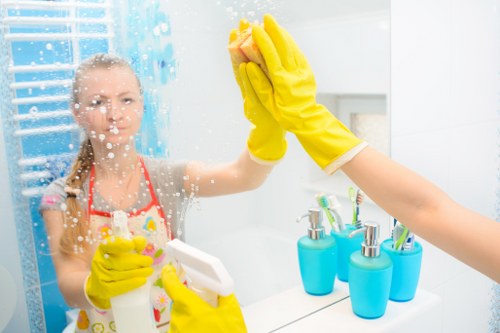
There are many reasons businesses invest in commercial cleaning, and appearance is only the beginning. A spotless environment signals professionalism, attention to detail, and care. That matters to customers, but it also matters to staff who spend hours each day in the space. Clean surroundings can help create a more positive workplace culture and a stronger sense of pride.
Health and hygiene are major factors as well. Dust, allergens, bacteria, and viruses can accumulate quickly in high-traffic areas. Regular commercial cleaning helps reduce these risks, especially when cleaning routines focus on shared surfaces like handles, desks, counters, elevator buttons, and restrooms. In many businesses, cleanliness is part of risk management.
Commercial cleaning also helps protect assets. Floors, fixtures, carpets, furniture, and equipment can all wear down faster without proper upkeep. Routine maintenance can extend the life of these investments and reduce repair or replacement costs over time. In that sense, commercial cleaning is not just an expense; it is a preventative measure that supports long-term savings.
Industries That Benefit from Commercial Cleaning

Commercial cleaning is used across nearly every sector, but the exact needs vary depending on the environment. Businesses often choose specialized cleaning plans based on traffic levels, safety standards, and industry-specific expectations. This makes commercial cleaning highly adaptable and relevant for many different operations.
Some of the most common industries that rely on commercial cleaning include offices, medical and dental practices, schools, restaurants, warehouses, manufacturing plants, retail stores, hotels, apartment complexes, and places of worship. Each of these spaces has unique challenges. A retail store may need spotless floors and polished glass, while a warehouse may need dust control and debris removal.
Examples of industry-focused cleaning priorities include:
- Offices: desks, common areas, restrooms, and meeting rooms
- Healthcare facilities: disinfection, sanitation, and compliance-driven cleaning
- Food service: kitchen hygiene, grease removal, and floor safety
- Education: classrooms, cafeterias, restrooms, and high-touch surfaces
- Industrial spaces: dust, spills, safety hazards, and floor maintenance
The Business Benefits of Professional Cleaning Services
Many organizations try to manage cleaning internally, but professional commercial cleaning services often deliver better consistency and more reliable results. Trained cleaning teams understand how to work efficiently, use appropriate products, and follow structured checklists that help ensure nothing is overlooked. That consistency matters in settings where cleanliness affects daily operations.
A professional provider also brings the right tools for the job. Industrial vacuums, floor scrubbers, microfiber systems, eco-friendly detergents, and specialized disinfectants can make commercial cleaning more effective than basic in-house methods. Better tools and trained processes often lead to better outcomes.
Another benefit is flexibility. Businesses can schedule cleaning around operating hours, peak traffic periods, or seasonal needs. This reduces disruption and helps keep facilities running smoothly. Many companies choose after-hours cleaning, weekend cleaning, or rotating maintenance schedules to fit their workflow.
What to Expect from a Reliable Commercial Cleaning Plan
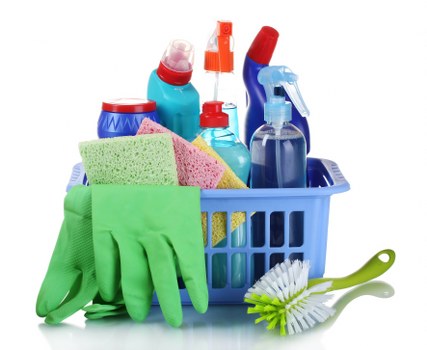
A dependable commercial cleaning plan should be built around the specific needs of the property. There is no one-size-fits-all approach because a law office, restaurant, and medical clinic will all require different levels of care. A strong plan starts with assessment, then moves into scheduling, task selection, quality checks, and ongoing adjustments.
The best commercial cleaning services usually begin with a walkthrough of the facility. This helps identify traffic patterns, problem areas, surface types, and special concerns such as sensitive electronics or sanitation priorities. Customized planning is what turns cleaning from a basic task into a real business solution.
A solid commercial cleaning plan may include:
- Daily, weekly, or monthly cleaning schedules
- Restroom and breakroom maintenance
- Floor care and carpet cleaning
- Trash collection and disposal routines
- Sanitizing of desks, counters, and shared touchpoints
- Interior glass and partition cleaning
- Seasonal deep cleaning tasks
It should also allow for occasional special services such as post-construction cleanup, emergency spill response, or event-related cleaning. That flexibility is especially valuable for businesses with changing needs.
Commercial Cleaning vs. Janitorial Cleaning
People sometimes use the terms commercial cleaning and janitorial cleaning interchangeably, but there can be differences. Janitorial cleaning often refers to regular upkeep performed on a daily or recurring basis. Commercial cleaning, on the other hand, can include janitorial tasks as well as deeper, more specialized services such as floor restoration, sanitation, pressure washing, and large-scale cleaning projects.
Understanding the distinction helps businesses choose the right level of service. A small office may need routine janitorial cleaning, while a large facility may need both recurring maintenance and periodic deep cleaning. The best service model is the one that matches the building’s actual needs.
In practical terms, many companies combine both approaches. Daily janitorial support keeps the environment orderly, while scheduled commercial cleaning addresses more intensive work that requires additional time, equipment, or expertise. Together, they create a cleaner, safer, and more efficient workplace.
Health, Safety, and Sanitation in Commercial Cleaning
Health and safety are central to modern commercial cleaning. Businesses today are more aware than ever of the importance of maintaining hygienic environments. This is especially true in high-touch, high-traffic, or shared-space settings where germs can spread quickly. Regular cleaning and sanitization help reduce the risks associated with contaminated surfaces and poor indoor conditions.
Safety also extends beyond sanitation. Spills, clutter, dust buildup, and poorly maintained floors can contribute to slip-and-fall hazards and other workplace incidents. A consistent commercial cleaning routine helps keep pathways clear, surfaces dry, and floors in usable condition. A cleaner environment is often a safer environment.
For businesses in sensitive sectors, sanitation procedures may need to align with industry standards or regulatory expectations. In these cases, commercial cleaning teams may use specific disinfectants, follow documented procedures, or focus on compliance-friendly workflows. That level of care can support business continuity and confidence.
Eco-Friendly Commercial Cleaning Options
As sustainability becomes more important to consumers and business leaders, eco-friendly commercial cleaning has become a popular choice. Green cleaning solutions use environmentally conscious products and methods that reduce harsh chemical exposure while still delivering strong results. This approach can benefit indoor air quality, employee comfort, and corporate sustainability goals.
Eco-friendly commercial cleaning may include biodegradable products, reduced water usage, reusable microfiber cloths, HEPA-filter vacuums, and non-toxic formulas. These methods can be especially appealing for schools, healthcare environments, and offices that want to create a healthier indoor setting. Green cleaning supports both workplace wellness and environmental responsibility.
Businesses choosing eco-friendly cleaning often do so because it aligns with their brand values. It can also support employee expectations and customer preferences, especially in markets where sustainability matters. When done correctly, green commercial cleaning can be both responsible and effective.
How Commercial Cleaning Supports Productivity
Clean work environments can have a surprising effect on productivity. Employees are generally more comfortable and focused when they are not dealing with overflowing trash, dirty restrooms, dusty desks, or cluttered shared spaces. A well-maintained workplace reduces distractions and helps people concentrate on their tasks.
Commercial cleaning also supports better organization. When common areas are regularly maintained, businesses tend to experience fewer interruptions and smoother day-to-day flow. Files, equipment, and supplies are easier to manage when spaces are clean and orderly. Clean surroundings can quietly improve how a team works.
There is also a psychological benefit. Employees often feel more valued when their workplace is clean and well cared for. That sense of respect can influence morale, engagement, and retention. In competitive job markets, even small workplace details can influence how people feel about their employer.
Choosing the Right Commercial Cleaning Provider
Selecting a commercial cleaning provider is an important decision. Businesses should look for a company with experience, reliability, proper training, and a clear understanding of industry-specific requirements. It is also helpful to choose a team that communicates well and can adapt to changing schedules or facility needs.
Before hiring, businesses should consider factors like service range, staff vetting, insurance coverage, cleaning products used, availability, and quality control procedures. Trust and consistency matter just as much as price. A low-cost service may seem appealing at first, but poor cleaning quality can create hidden expenses and ongoing frustration.
Useful questions to ask a provider include:
- What types of commercial cleaning do you specialize in?
- Do you provide customized cleaning schedules?
- What quality control measures do you use?
- Can you handle both routine and deep cleaning?
- Do you offer eco-friendly cleaning options?
- How do you train and supervise staff?
Look for Clear Communication and Flexibility
Communication plays a big role in service quality. A provider should be able to explain what will be cleaned, when it will be cleaned, and how special requests are handled. Flexibility is equally important because business needs change. Seasonal traffic, renovations, special events, and staffing shifts can all affect cleaning requirements.
When a company can adapt without sacrificing quality, commercial cleaning becomes much more valuable. It becomes a dependable operational support service rather than just another vendor relationship.
Understanding Service Frequency
Not every facility needs the same cleaning schedule. Some spaces require daily maintenance, while others are fine with weekly or biweekly service. High-traffic businesses usually need more frequent attention, especially in restrooms, entrances, and shared areas. Lower-traffic offices may benefit from recurring maintenance plus occasional deep cleaning.
Frequency should be based on use, not guesswork. The right schedule helps balance cleanliness, budget, and operational convenience. Smart scheduling keeps commercial cleaning efficient and effective.
Common Schedule Options
- Daily cleaning for busy facilities
- Weekly cleaning for moderate-use offices
- Monthly deep cleaning for detailed maintenance
- Seasonal projects for carpets, windows, or floors
Commercial Cleaning Trends Shaping the Industry
The commercial cleaning industry continues to evolve as businesses seek better efficiency, healthier environments, and more transparent services. One major trend is the use of technology to improve scheduling, reporting, and service tracking. Digital checklists and communication tools help keep cleaning tasks organized and accountable.
Another trend is greater attention to high-touch disinfection and preventive sanitation. Since businesses have become more aware of shared-surface hygiene, commercial cleaning has expanded beyond traditional dusting and mopping. Many organizations now expect cleaning providers to focus on touchpoints and sanitation as part of standard service.
There is also growing demand for specialized cleaning in sectors such as healthcare, education, logistics, and hospitality. As workplaces become more complex, commercial cleaning must become more precise. Providers that invest in training, equipment, and service customization are better positioned to meet these expectations.
Why Commercial Cleaning Is a Smart Long-Term Investment
It is easy to think of cleaning as a short-term necessity, but commercial cleaning offers long-term value. Clean buildings often experience fewer maintenance issues, better occupant satisfaction, and stronger brand perception. Those benefits can influence customer loyalty, staff retention, and property value over time.
When businesses treat commercial cleaning as part of their broader operational strategy, they often see better results. The space feels more professional, the workflow becomes smoother, and the environment stays ready for daily use. Investing in cleanliness is investing in business performance.
Whether you run a small office or manage a large facility, the right commercial cleaning solution can reduce stress and improve daily operations. It helps create a setting where people can work, meet, shop, heal, learn, or do business with confidence.
Final Thoughts on Commercial Cleaning
Commercial cleaning is essential for businesses that want to maintain professional, healthy, and productive environments. It supports first impressions, helps protect assets, improves sanitation, and enhances everyday operations. From routine janitorial tasks to specialized deep cleaning, professional services give businesses the support they need to keep spaces clean and functional.
As expectations continue to rise, organizations that prioritize commercial cleaning are better positioned to meet the needs of employees, clients, and visitors. Clean spaces are easier to manage, more pleasant to use, and more aligned with modern business standards. If your facility could benefit from a cleaner, safer, and more efficient environment, contact us today and book your service now.
Commercial cleaning is not just about appearance. It is about creating a better place to do business.