Communal Area Cleaning: Creating Safer, Cleaner Shared Spaces
Communal area cleaning plays a vital role in keeping shared environments fresh, hygienic, and welcoming. Whether it is an apartment block, office building, residential complex, school, or mixed-use property, the condition of communal areas shapes how people experience the space every day. Clean hallways, tidy entrances, polished lobbies, and well-maintained shared facilities do more than look good—they support health, safety, comfort, and a positive first impression.
In many properties, communal area cleaning is the difference between a space that feels cared for and one that feels neglected. Residents, tenants, visitors, and staff all notice the details: dust on skirting boards, fingerprints on glass doors, litter in stairwells, or stains on carpets. When these areas are cleaned regularly and professionally, the entire building benefits. Clean shared spaces reduce grime buildup, help control odours, and create a more pleasant environment for everyone.
For property managers and building owners, investing in communal area cleaning is also a practical decision. It can help preserve surfaces, extend the life of flooring and fittings, and reduce the risk of complaints. From daily upkeep to deep cleaning schedules, the right approach ensures every shared zone remains presentable and safe. This article explores why communal area cleaning matters, what it includes, and how to maintain excellent standards all year round.
What Is Communal Area Cleaning?
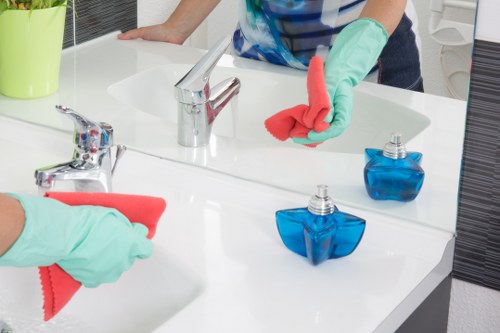
Communal area cleaning refers to the cleaning and maintenance of shared spaces within a property. These are the areas used by multiple people rather than by a single household, office, or business. Typical spaces include entrances, hallways, staircases, lift interiors, corridors, reception areas, shared kitchens, laundry rooms, and communal toilets. Depending on the property type, communal area cleaning may also extend to external walkways, bin areas, car parks, and outdoor seating zones.
The main goal is simple: keep shared areas clean, sanitary, and welcoming for all users. However, the work involved is often more detailed than people expect. A proper communal area cleaning service usually covers routine tasks such as sweeping, vacuuming, mopping, dusting, sanitising touchpoints, emptying bins, and spot-cleaning visible marks. In higher-traffic buildings, it may also include periodic deep cleaning, carpet cleaning, and glass polishing.
Because communal areas experience constant use, dirt and wear accumulate quickly. Shoes track in debris, doors gather fingerprints, stair rails become greasy, and floors collect dust. That is why regular communal area cleaning is essential. It prevents minor issues from turning into bigger problems and helps keep the property looking well managed.
Why Communal Area Cleaning Matters
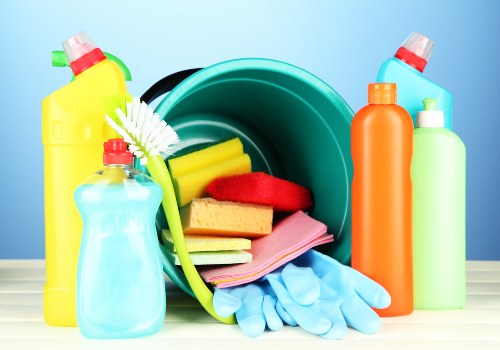
Shared spaces are often the first areas people see when entering a property. If these spaces are dirty, cluttered, or poorly maintained, the entire building can appear less professional or less cared for. On the other hand, clean communal areas create a welcoming atmosphere and give people confidence that the property is managed responsibly.
There are also important hygiene reasons to prioritise communal area cleaning. Shared surfaces such as door handles, lift buttons, bannisters, and reception counters can easily become breeding grounds for bacteria and viruses. In high-traffic environments, regular cleaning and disinfection help reduce the spread of germs and support a healthier setting for everyone.
Another major benefit is safety. Dust, spills, and debris can create slip and trip hazards, especially on stairs, polished floors, and entrance mats. A well-planned communal area cleaning routine helps identify and remove hazards quickly. Cleaner communal spaces are safer communal spaces.
Key benefits of regular communal area cleaning
- Improves hygiene and helps reduce the spread of germs
- Enhances the appearance of the property
- Reduces odours and stale air in enclosed spaces
- Protects flooring, fixtures, and fittings from premature wear
- Minimises complaints from residents, tenants, and visitors
- Supports a safer environment by reducing slip and trip risks
Typical Areas Included in Communal Area Cleaning
Every property is different, but most communal area cleaning programmes focus on a similar set of shared spaces. The exact checklist may vary depending on the building size, layout, and usage patterns. However, the most common areas often include entryways, corridors, staircases, lifts, and shared amenities.
Entrance halls and lobbies need frequent attention because they receive the most foot traffic and shape the first impression of the building. Hallways and corridors collect dust, scuff marks, and debris. Staircases require careful cleaning for hygiene and safety, especially on handrails and edges. Lift interiors need regular sanitising because they are high-touch and frequently used.
In residential or mixed-use buildings, communal area cleaning may also include shared kitchens, laundry rooms, bin stores, mail areas, and external access points. Outdoor communal areas often need sweeping, litter removal, and the clearing of leaves or mud. The aim is not only to make the building look cleaner, but also to support day-to-day usability and comfort.
Common cleaning tasks in shared spaces
- Vacuuming carpets and mats
- Mopping hard floors
- Dusting ledges, skirting boards, and surfaces
- Cleaning doors, handles, switches, and rails
- Removing rubbish and replacing liners
- Polishing glass and mirrors
- Spot-cleaning stains, spills, and marks
How a Professional Communal Area Cleaning Service Works

A professional communal area cleaning service is usually tailored to the property’s requirements. Rather than taking a one-size-fits-all approach, a good provider assesses how the building is used, how often foot traffic occurs, and which areas require the most attention. This allows them to create a cleaning schedule that is practical and effective.
For example, a small residential block may only need a few weekly visits, while a busy office building or apartment complex with multiple entrances may require daily service. In larger properties, cleaning teams may work at specific times to avoid disrupting residents or staff. Many services also include periodic inspections to ensure standards remain consistent.
A typical routine may start with high-touch surface cleaning, followed by vacuuming and floor care, then dusting and waste removal. Depending on the setting, the team may use commercial-grade products, colour-coded cloths, and specialist equipment to achieve better results. Consistency is one of the biggest strengths of professional communal area cleaning.
Factors that shape the cleaning plan
- Number of residents, tenants, or daily users
- Size and layout of the property
- Type of flooring and surfaces
- Frequency of traffic and peak usage times
- Presence of shared amenities
- Specific hygiene or safety requirements
Best Practices for Effective Communal Area Cleaning
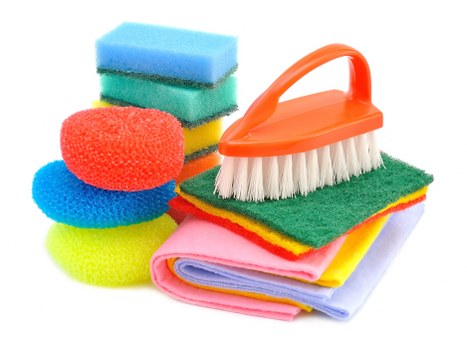
Good communal area cleaning is about more than simply following a checklist. It requires a thoughtful routine, attention to detail, and the right methods for each surface and space. The most effective cleaning programmes combine regular maintenance with deeper periodic care.
One key best practice is to prioritise high-touch points. These are the surfaces that many people touch throughout the day, such as lift buttons, handrails, intercom panels, push plates, and reception counters. Because they are touched so frequently, they should be cleaned and disinfected more often than lower-contact surfaces.
Another essential practice is using suitable products for each area. Not every surface can be treated the same way. For example, natural stone, laminate, carpet, vinyl, and glass each need different cleaning methods. Using the wrong product can cause damage, dull the finish, or leave residue behind. A careful approach protects both appearance and longevity.
Recommended cleaning priorities
- Clean entry points and visible public-facing areas first
- Disinfect high-touch surfaces regularly
- Remove rubbish before it creates odours or attracts pests
- Vacuum and mop all traffic areas consistently
- Pay attention to corners, edges, and hard-to-reach places
- Refresh communal washrooms and kitchens throughout the week
- Schedule deep cleaning for carpets, upholstery, and vents
Communal Area Cleaning for Residential Buildings
In residential buildings, communal area cleaning has a direct impact on the quality of life of the people living there. Residents want to come home to a building that feels safe, tidy, and well kept. Clean hallways and stairwells make the property feel more comfortable, while clean bin areas and entrances help reduce unpleasant smells and visual clutter.
Residential communal area cleaning often requires sensitivity and consistency. Cleaners may need to work around residents’ schedules, manage access codes or keys, and handle a variety of surfaces that see different types of wear. The frequency of service is often influenced by the number of flats, the amount of foot traffic, and whether there are communal amenities such as gyms, laundry rooms, or shared lounges.
For landlords and managing agents, regular communal area cleaning can also help reduce tenant dissatisfaction. When shared spaces are neglected, complaints often follow. When they are maintained properly, residents are more likely to feel respected and confident in the management of the property.
Residential areas that need special attention
- Front entrances and reception halls
- Staircases and lift doors
- Post room or parcel collection zones
- Bin stores and recycling points
- Internal windows and glass panels
- Shared utility rooms and laundry spaces
Communal Area Cleaning in Commercial and Office Settings
Commercial properties depend on presentation. Clients, employees, contractors, and visitors all interact with shared areas such as reception spaces, meeting room corridors, kitchenettes, and washrooms. In these settings, communal area cleaning contributes directly to the building’s professional image.
Office communal spaces tend to generate a lot of touchpoints and spill risks. Coffee stations, lifts, meeting room entrances, and shared toilets require regular care to stay hygienic and presentable. If the building includes customer-facing areas, the stakes are even higher because cleanliness becomes part of the brand experience.
Well-planned communal area cleaning in commercial spaces also supports productivity. Staff work better in clean surroundings, and visitors are more likely to feel comfortable and confident in the business. Orderly shared areas send a clear message: the organisation pays attention to detail.
Commercial cleaning considerations
- Cleaning must often happen before or after business hours
- Different departments may have different access needs
- High-traffic zones may require multiple daily touch-ups
- Confidentiality and professionalism matter during service delivery
- Special products may be needed for technology, glass, or branded surfaces
Health, Hygiene, and Safety in Shared Spaces
One of the strongest reasons to invest in communal area cleaning is the improvement it brings to hygiene. Shared spaces are exposed to repeated contact, airborne dust, outdoor dirt, and accidental spills. In busy environments, this can quickly lead to a buildup of bacteria, allergens, and unpleasant odours if cleaning is neglected.
Clean shared environments can also contribute to better indoor air quality. Dust, litter, and mould growth in neglected corners can affect how people feel in a building, particularly those with asthma or sensitivities. Regular dusting, vacuuming, waste removal, and ventilation cleaning all support a healthier indoor environment.
Safety is equally important. Wet floors, blocked corridors, loose debris, and overflowing bins can create hazards. A reliable communal area cleaning routine helps keep spaces free from these risks. Where shared spaces are used by children, older adults, or people with mobility concerns, careful maintenance becomes even more important.
Health and safety benefits
- Reduces the chance of slips, trips, and falls
- Helps minimise the spread of germs on shared surfaces
- Supports cleaner air and fewer dust-related issues
- Keeps exits, walkways, and access routes clear
- Improves overall wellbeing in the property
Seasonal Challenges in Communal Area Cleaning
Communal area cleaning needs can change throughout the year. In winter, mud, rain, snow, and salt are often tracked indoors, creating dirty floors and wet entrance mats. In autumn, leaves and damp debris can build up around entrances and outdoor walkways. In spring and summer, dust, pollen, and increased foot traffic may demand more frequent attention.
A flexible cleaning schedule helps address these seasonal differences. During wetter months, entrance cleaning and floor care may need to be stepped up. In warmer months, odour control and bin area maintenance can become more important. Periodic deep cleaning is also useful after high-use periods or when seasonal weather causes additional build-up.
By adjusting the cleaning plan as conditions change, property managers can maintain high standards all year. Seasonal planning is a smart part of effective communal area cleaning.
Choosing the Right Communal Area Cleaning Approach
Not every building needs the same level of service, but every shared property benefits from a structured approach. The right plan depends on the building’s layout, number of users, budget, and expectations. Some properties need daily maintenance, while others may only require a few visits each week. The key is to match the service to actual use.
When arranging communal area cleaning, it is helpful to consider what matters most to occupants. In some buildings, appearance may be the top priority. In others, hygiene, odour control, or floor safety may matter more. The best results usually come from a balanced cleaning plan that addresses all of these areas.
Clear communication, consistent standards, and regular review all help maintain a high-quality service. When everyone understands what is being cleaned and how often, expectations are easier to meet.
What to look for in a cleaning plan
- Defined cleaning frequency
- Task lists for each shared space
- High-touch sanitising procedures
- Periodic deep-cleaning arrangements
- Flexible service based on usage patterns
- Reliable quality checks and reporting
How Communal Area Cleaning Supports Property Value
Maintaining shared spaces does more than improve day-to-day comfort. It can also support the long-term value of a property. Clean, well-managed communal areas suggest that the building has been cared for properly, which can influence how residents, buyers, or tenants perceive it.
Neglected common areas can lead to visible deterioration over time. Dirt and moisture can damage floors, stains can become permanent, and fittings can wear out faster. Regular communal area cleaning helps prevent this gradual decline. By keeping surfaces in better condition, property owners may reduce repair costs and preserve the building’s appearance for longer.
A clean communal environment is often a sign of good overall management. That impression matters in competitive residential and commercial markets where first impressions can influence decisions.
Practical Tips for Better Day-to-Day Maintenance
Even with professional communal area cleaning in place, everyday habits also matter. Residents, staff, and visitors can all play a role in keeping shared spaces tidy. Small actions, repeated consistently, make a noticeable difference.
Simple measures such as wiping spills quickly, disposing of rubbish correctly, reporting damage, and keeping corridors clear all help support the cleaning team. Well-placed bins, mats, signage, and storage solutions can also reduce mess and make maintenance easier.
When users respect the space, communal area cleaning becomes more effective and efficient.
Useful everyday habits
- Report spills and hazards quickly
- Keep personal items out of shared corridors
- Use bins and recycling points properly
- Close doors gently to reduce scuffs and dirt transfer
- Follow building rules for shared amenities
Final Thoughts on Communal Area Cleaning
Communal area cleaning is far more than a surface-level task. It is a key part of building maintenance, hygiene, safety, and presentation. Shared spaces affect how people feel about a property every time they enter it, pass through it, or use its facilities. When these areas are cleaned regularly and properly, the entire environment benefits.
From residential blocks to office buildings, the value of clean common areas is hard to overstate. They help protect health, reduce complaints, support professional standards, and preserve the condition of the property. With the right plan, shared spaces can remain clean, inviting, and practical throughout the year.
If you want to improve the condition of your building and create a more welcoming environment, book your service now and take the first step toward better communal area cleaning. Contact us today to discuss a cleaning schedule that suits your property and keeps your shared spaces looking their best.