Regular Cleaning in Homes, Offices, and Shared Spaces: Why It Matters Every Day
Regular cleaning is one of the simplest and most effective ways to create a healthier, more comfortable, and more productive environment. Whether you manage a busy household, a commercial office, a rental property, or a shared facility, consistent cleaning does far more than make a space look neat. It reduces dust buildup, limits the spread of germs, protects surfaces, supports better air quality, and helps everything last longer.
Many people think of cleaning as something to do only when a place starts looking messy. In reality, regular cleaning works best as a routine habit, not a last-minute task. A steady schedule prevents small issues from becoming major problems and helps maintain a space that feels welcoming and organized. From daily wipe-downs to weekly deep-cleaning tasks, the benefits add up quickly.
There is also a strong connection between regular cleaning and peace of mind. When a room is clean and orderly, it is easier to focus, relax, and enjoy the space. That is true at home, in the workplace, and in public environments. A consistent approach makes cleaning feel more manageable, more predictable, and less overwhelming.
Why Regular Cleaning Matters for Health and Comfort
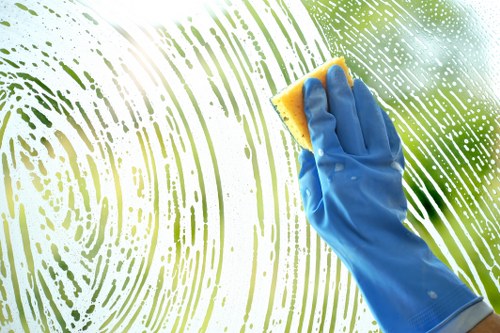
Regular cleaning plays a major role in supporting health. Dust, dirt, allergens, pet dander, and bacteria can build up quickly if surfaces are ignored. In homes, this can affect family members who suffer from allergies, asthma, or respiratory sensitivity. In offices and shared spaces, germs spread more easily when high-touch areas are not cleaned consistently.
Another major benefit of regular cleaning is comfort. A fresh, tidy room feels more inviting, and that feeling can shape how people behave in the space. Clean environments often encourage better habits, such as putting items back where they belong, reducing clutter, and maintaining order throughout the day.
In practical terms, routine cleaning helps stop grime from settling into carpets, grout, countertops, and upholstery. Once dirt becomes embedded, it takes much more time and effort to remove. That is why a regular cleaning schedule is often more efficient than waiting until a space needs serious attention.
Cleaner Spaces Support Better Living
People often underestimate how much a clean environment affects everyday life. A room with fresh surfaces, clear floors, and dust-free corners can improve concentration and reduce stress. In homes, regular cleaning helps family routines run more smoothly. In offices, it can support professionalism and employee morale. In both settings, the effect is immediate and noticeable.
Regular cleaning also protects the impression a space makes on visitors. First impressions matter, and cleanliness is one of the first things people notice. Even small details, such as polished tables or streak-free glass, can change the way a property is perceived.
For businesses, that matters even more. A clean workplace can signal reliability, care, and attention to detail. For homeowners, it helps create a sense of pride and comfort. In both cases, regular cleaning supports the overall value of the space.
Core Areas That Benefit from Regular Cleaning
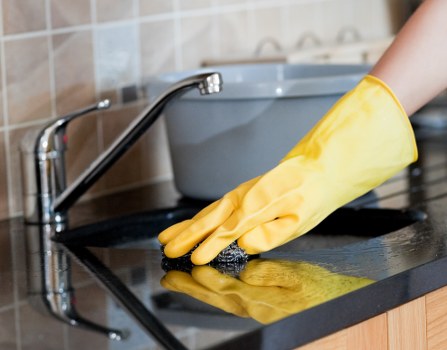
Every property has certain areas that need consistent attention. If these spaces are neglected, problems can develop quickly. A smart cleaning routine focuses first on the areas that collect dirt and germs most often. These include kitchens, bathrooms, floors, entryways, and frequently touched surfaces.
The regular cleaning of these zones helps limit mess and keeps everything more sanitary. It also reduces the need for costly repairs, especially when spills, moisture, and buildup are removed before they cause damage. Paying attention to these core areas is one of the easiest ways to maintain a cleaner property long term.
Below are the most important spaces to include in a regular cleaning schedule:
- Kitchen surfaces such as counters, sinks, and appliance exteriors
- Bathrooms including toilets, taps, mirrors, and shower areas
- Floors in hallways, living rooms, offices, and common areas
- High-touch points like handles, switches, rails, and remote controls
- Work surfaces such as desks, tables, and shared equipment
High-Touch Areas Need Extra Attention
High-touch areas are a major focus in regular cleaning because they are touched by multiple people throughout the day. These surfaces can become carriers for germs if they are not disinfected often. Door handles, elevator buttons, light switches, and shared keyboards are all common examples.
Simple habits make a big difference here. Wiping these areas daily, or even more often in busy settings, can help prevent the spread of illness. In households, this is especially useful during cold and flu season. In workplaces, it supports a healthier environment for employees and guests.
Regular attention to high-touch spots also keeps them looking better for longer. Fingerprints, smudges, and buildup can make a space look neglected, even if the rest of it is tidy. A consistent routine solves that problem before it starts.
How Regular Cleaning Improves Property Value and Longevity
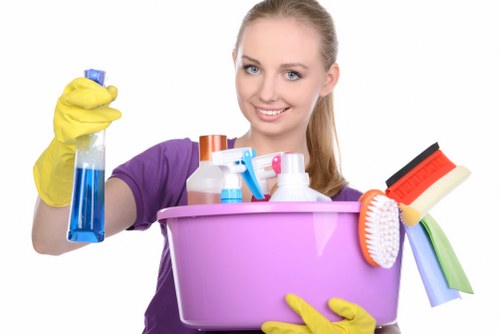
Many people focus on the visible benefits of cleaning, but regular cleaning also protects property value. Dust, moisture, grease, and debris can wear down materials over time. Wood, tile, fabric, and metal all last longer when they are properly maintained. That means regular cleaning is not just about appearance; it is also about preservation.
For homeowners, this can help maintain a property’s condition and reduce the need for major restoration work. For landlords and property managers, it supports tenant satisfaction and helps keep units in better shape between occupancies. In commercial settings, it can lower maintenance costs and reduce downtime caused by neglected spaces.
A few consistent habits can make a remarkable difference:
- Dust and vacuum regularly to prevent particles from settling into surfaces.
- Clean spills quickly to avoid stains and damage.
- Use the correct cleaning products for each material.
- Inspect problem areas for moisture, mold, or buildup.
- Schedule deeper cleaning when surface cleaning is not enough.
Small Tasks Prevent Big Repairs
It is often the smallest cleaning tasks that prevent the biggest problems. For example, a little grease left behind in a kitchen can become stubborn residue. A damp bathroom corner can lead to mold. Dirt tracked across flooring can create scratches over time. Regular cleaning helps remove these risks before they turn into expensive repairs.
This is especially true in areas exposed to frequent use. Entryways, break rooms, reception areas, and family rooms all experience high traffic. The more activity a space sees, the more important it becomes to maintain a steady cleaning rhythm. A few minutes each day can save hours later.
That preventive mindset is one of the smartest reasons to invest in regular cleaning. It protects both the look and the function of the property while reducing stress and expense over time.
Building an Effective Regular Cleaning Routine
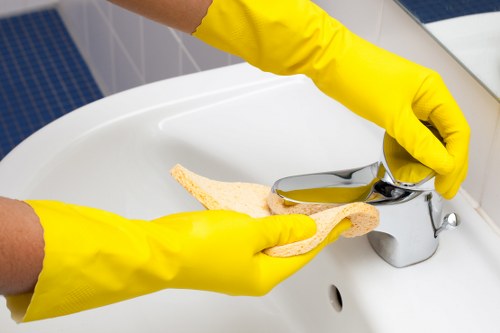
The best regular cleaning routine is one that is realistic, consistent, and easy to follow. It should fit the size of the property, the level of activity, and the specific needs of the people using the space. A routine that is too complicated usually gets ignored, while one that is simple enough to repeat becomes a lasting habit.
A good routine usually includes daily, weekly, and monthly tasks. Daily tasks handle the most visible and active areas. Weekly tasks cover deeper dusting and sanitizing. Monthly tasks focus on less obvious spaces and maintenance details. When these layers work together, cleaning feels more organized and less overwhelming.
Here is an example of a practical structure:
Daily Tasks
- Wipe kitchen counters and tables
- Clean sinks and visible spills
- Disinfect high-touch surfaces
- Sweep or vacuum floors
- Take out trash and replace liners
Weekly Tasks
- Mop hard floors
- Dust shelves, blinds, and furniture
- Clean bathroom fixtures thoroughly
- Vacuum carpets and upholstery
- Sanitize shared areas
Monthly Tasks
- Wash windows and glass doors
- Clean behind appliances and furniture
- Check vents, baseboards, and corners
- Refresh storage areas and closets
- Review cleaning supplies and restock as needed
Choose the Right Tools and Products
Regular cleaning becomes much easier when the right tools are available. Microfiber cloths, a good vacuum, a mop suited to the flooring type, gentle disinfectants, and safe multipurpose cleaners can make routine tasks quicker and more effective. Using the wrong product, however, may damage surfaces or leave residue behind.
It is also helpful to store supplies where they are easy to reach. If cleaning tools are tucked away too far, people are less likely to use them consistently. A well-organized supply area supports better habits and more efficient routines.
For busy households and workplaces, labeling products and assigning responsibilities can help. Clear expectations make regular cleaning easier to maintain, especially in shared spaces where multiple people may be involved.
Regular Cleaning in Homes: Creating a Safer and Happier Environment

In homes, regular cleaning affects both daily comfort and long-term maintenance. Families generate a constant flow of dust, laundry, dishes, crumbs, and clutter. Without routine cleaning, the home can quickly feel chaotic. With it, the environment becomes calmer, more functional, and more enjoyable.
Bedrooms, living rooms, kitchens, and bathrooms each benefit from different cleaning habits. Kitchens need food-safe surface care. Bathrooms require sanitation. Living spaces benefit from dust control and vacuuming. Bedrooms stay more restful when clutter and allergens are reduced. Every room contributes to the overall feel of the home.
Regular cleaning also supports better family routines. When surfaces are clear and items have designated places, it is easier for everyone to participate in keeping the home orderly. Children can learn responsibility, and adults can spend less time searching for items or catching up on chores.
Creating Family-Friendly Habits
A successful cleaning routine does not need to be difficult. In fact, the most effective approach is often a simple one. Assigning small tasks to different family members, using checklists, and setting short cleaning times can make the process easier to manage. These habits also teach consistency and accountability.
Regular cleaning in the home can be supported by a few family-friendly strategies:
- Put toys, books, and shoes away after use.
- Wipe spills immediately to avoid stains.
- Set a quick evening reset before bedtime.
- Use baskets or bins to reduce clutter.
- Keep cleaning supplies accessible and safe.
The result is not just a cleaner home, but a more peaceful one. When the environment is well maintained, daily life becomes smoother and less stressful. That is one of the most valuable outcomes of consistent cleaning.
The Emotional Benefits of a Clean Home
There is also an emotional side to regular cleaning. A tidy home can reduce feelings of overwhelm and help people feel more in control. It can make mornings easier, evenings calmer, and weekends more enjoyable. Even a modest amount of cleaning can have a positive effect on mood and motivation.
That is why regular maintenance matters so much. It is not only about looking presentable. It is about creating a place where people can rest, work, gather, and live well.
Regular Cleaning in Offices and Commercial Spaces
Workplaces depend heavily on regular cleaning because cleanliness influences productivity, professionalism, and employee well-being. A neat office feels more organized, more efficient, and more pleasant to work in. It also helps reduce distractions that can come from clutter, dust, or unpleasant odors.
Commercial spaces often see more traffic than homes, which means dirt and germs can accumulate faster. Reception areas, conference rooms, break rooms, restrooms, and desks all need steady attention. If cleaning is delayed, the entire environment can start to feel neglected, which can affect both staff and visitors.
For many businesses, routine cleaning is also a brand issue. Customers and clients notice when a space is clean. They also notice when it is not. That makes regular cleaning a practical investment in reputation as well as hygiene.
Benefits for Productivity and Staff Morale
Employees often perform better in clean spaces. A clear desk, fresh air, and tidy common areas can support focus and reduce frustration. When the environment feels under control, it is easier to stay on task and less likely that small annoyances will become distractions.
Regular cleaning can also influence morale. People tend to feel more valued in a workplace that is cared for properly. Clean break rooms, sanitized restrooms, and orderly meeting spaces show that the organization pays attention to the details that affect daily life.
In practical terms, this can lead to fewer sick days, better workflow, and a more professional atmosphere overall. That is why regular cleaning is often considered part of a successful workplace culture.
Why Businesses Should Stay Consistent
In commercial settings, consistency matters more than occasional effort. A one-time cleanup may improve appearance temporarily, but it will not provide lasting results. Regular schedules, clear standards, and routine inspections are the best way to keep a property in good condition.
Businesses should think of cleaning as ongoing maintenance rather than a single task. This shift in mindset makes it easier to protect surfaces, support health, and create a welcoming environment for everyone who enters the space.
What Makes Regular Cleaning Different from Deep Cleaning
Although the terms are often used together, regular cleaning and deep cleaning are not the same. Regular cleaning refers to the routine tasks that keep a space in good daily condition. Deep cleaning goes further by targeting buildup, hidden dirt, and hard-to-reach areas.
Both are important, but they serve different purposes. Regular cleaning maintains order and prevents problems. Deep cleaning restores a higher level of cleanliness when routine tasks are not enough. A strong maintenance plan usually includes both.
Examples of regular cleaning include wiping surfaces, vacuuming, and sanitizing high-touch areas. Deep cleaning may include scrubbing tile grout, cleaning inside appliances, washing baseboards, and reaching behind large furniture. When used together, these methods create a healthier and more attractive environment.
When to Increase Cleaning Frequency
Sometimes a space needs more frequent regular cleaning than usual. This can happen during seasonal changes, after large gatherings, during illness outbreaks, or in high-traffic commercial environments. Kitchens and bathrooms may also need extra attention when activity levels increase.
It is wise to adjust the cleaning schedule based on real use. A room that looks tidy but gets heavy traffic may still require more frequent care. Flexibility is one of the smartest parts of a cleaning routine because it helps the schedule stay effective.
Regular cleaning is most successful when it adapts to changing needs instead of staying fixed no matter what. That adaptability keeps the space clean, safe, and comfortable throughout the year.
Practical Tips to Make Regular Cleaning Easier
People are more likely to keep up with cleaning when the process feels simple. Small systems can make a big difference and reduce the temptation to postpone chores. The goal is not perfection. The goal is consistency.
Try these practical ideas to improve your regular cleaning routine:
- Set a timer for 10 to 20 minutes and clean one area at a time.
- Keep daily clutter under control by putting items away immediately.
- Use separate cloths for different rooms or surfaces.
- Clean from top to bottom so dust falls onto unfinished areas.
- Make a checklist for recurring tasks.
- Store cleaning tools where they are easy to grab.
- Break larger jobs into smaller steps spread across the week.
These strategies make regular upkeep feel more manageable. They also reduce the chance of burnout, which is a common reason people fall behind. When cleaning becomes part of a routine, it stops feeling like a major event and starts feeling like normal maintenance.
Consistency Beats Intensity
One of the most important lessons in regular cleaning is that consistency matters more than occasional intense effort. Cleaning a space thoroughly once in a while is helpful, but steady maintenance creates better long-term results. A few minutes each day can prevent the need for long weekend catch-up sessions.
That consistent effort also gives better visual results. Instead of allowing dirt, dust, and clutter to build up, you stay ahead of it. The space looks better, feels better, and works better.
Conclusion: Why Regular Cleaning Should Be a Priority
Regular cleaning is one of the most practical habits any home, office, or shared property can adopt. It supports health, protects surfaces, improves comfort, and helps create a positive impression. More than that, it makes spaces easier to live in and work in every single day.
When cleaning is done regularly, it becomes less stressful and more effective. Small tasks stay small, maintenance costs stay lower, and the overall environment remains more pleasant. Whether you are managing a household or a business, the payoff is clear: better hygiene, better organization, and better peace of mind.
If your current routine feels inconsistent, now is the perfect time to improve it. Start with a few manageable habits, build a schedule that fits your space, and stay committed to the process. Book your service now or contact us today to take the next step toward a cleaner, healthier environment.