Sofa Cleaning in Modern Homes: Practical Methods, Health Benefits, and Long-Lasting Results
Why Sofa Cleaning Matters More Than You Think
Sofa cleaning is one of those home tasks that often gets delayed until stains become obvious or odors start to linger. Yet your sofa is one of the most used pieces of furniture in any home. It supports family gatherings, movie nights, work-from-home sessions, naps, and everyday relaxation. Because of that, it naturally collects dust, crumbs, pet hair, skin flakes, pollen, and invisible bacteria over time.
Regular sofa cleaning does more than improve appearance. It helps protect indoor air quality, extends the life of upholstery, and keeps your living room fresher and more inviting. Whether you have a fabric sectional, a microfiber loveseat, or a leather couch, proper care can make a noticeable difference in comfort and hygiene.
Many people think vacuuming once in a while is enough, but effective sofa cleaning involves a combination of routine maintenance, stain treatment, deodorizing, and deep cleaning when necessary. Understanding the right approach for your upholstery type is the key to keeping your furniture in great condition without causing damage.
Understanding Different Sofa Materials
Before starting any sofa cleaning routine, it is important to identify the material. Different upholstery fabrics respond differently to moisture, heat, chemicals, and scrubbing. Using the wrong method can leave water marks, shrink fabric, fade color, or even crack leather.
Common sofa materials include cotton, linen, polyester, microfiber, velvet, and leather. Each one requires a slightly different cleaning strategy. For example, microfiber is often more forgiving with water-based cleaners, while velvet needs very gentle handling to preserve its texture.
Always check the manufacturer’s care label first. You may see codes such as W, S, WS, or X, which indicate whether water-based cleaners, solvent-based cleaners, both, or vacuum-only care are recommended. This small step can prevent expensive mistakes and help you choose the safest sofa cleaning method.
What the Common Upholstery Codes Mean
W means water-based cleaners are safe. S means use solvent-based cleaners only. WS means both water and solvent cleaners are acceptable. X means vacuuming only, with no liquid cleaners unless advised by a professional.
These codes matter because the wrong product can make stains worse or damage the fibers. A smart sofa cleaning plan begins with the label, then moves to testing products on a hidden area before treating the visible sections of the furniture.
If you are ever unsure, it is best to use gentle techniques or seek professional sofa cleaning support rather than risking permanent damage. The goal is not only to clean the couch but to preserve its structure, comfort, and appearance for years.
Benefits of Regular Sofa Cleaning
There are several benefits to consistent sofa cleaning, and many of them go beyond what you can see. A clean sofa can transform the overall look of a room, making the space feel brighter, fresher, and more organized. It also contributes to a healthier environment for children, guests, and pets.
Health benefits are especially important. Sofas can trap dust mites, allergens, pet dander, and airborne particles. Over time, these contaminants can aggravate allergies and respiratory issues. Thorough sofa cleaning helps reduce buildup and creates a more comfortable indoor environment.
From a practical standpoint, cleaning also improves the longevity of your furniture. Dirt and grit act like sandpaper on upholstery fibers, causing premature wear. Routine sofa cleaning can therefore save money by delaying the need for replacement or reupholstery.
How Clean Upholstery Supports a Better Home Environment
A clean sofa contributes to a cleaner home overall. Because upholstered furniture is frequently touched, sat on, and used daily, it can become a hidden source of odors and germs. With proper sofa cleaning, you reduce buildup and improve the freshness of your living space.
It also helps with presentation. If you enjoy hosting friends or family, a well-maintained couch sets the tone for the room. Even if the rest of the decor is simple, a spotless sofa can make the entire area feel intentional and welcoming.
For households with pets or children, regular upholstery care is even more important. Spills, muddy paws, snack crumbs, and accidental messes happen often. A consistent sofa cleaning routine makes those accidents less stressful and easier to manage.
Essential Sofa Cleaning Methods You Can Use at Home

Homeowners have several effective options for sofa cleaning, depending on the material and the level of dirt. The best routine usually combines vacuuming, spot treatment, deodorizing, and occasional deep cleaning. Each step serves a specific purpose in maintaining your upholstery.
Vacuuming is the foundation of good sofa care. Use a soft brush attachment to remove dust, crumbs, pet hair, and debris from cushions, seams, and crevices. This simple habit prevents particles from settling deeper into the fabric and makes later cleaning easier.
Spot cleaning is the next step for stains and spills. The sooner you treat a mark, the higher your chances of removing it successfully. A gentle detergent solution, fabric-safe cleaner, or appropriate solvent can often address fresh stains before they become permanent.
Step-by-Step Spot Cleaning Process
Start by blotting the stain with a clean cloth. Do not rub aggressively, because that can spread the stain or push it deeper into the fibers. Next, apply a small amount of suitable cleaner to a hidden area first to test for colorfastness.
Once the test is successful, apply the cleaner lightly to the stain and blot again. Work from the outer edge toward the center to avoid enlarging the mark. Use minimal moisture, especially on delicate materials, to prevent water rings or saturation.
After the stain begins to lift, let the area air-dry naturally. If needed, repeat the process. Careful sofa cleaning is usually more effective when done patiently rather than with harsh scrubbing or excessive liquid.
Deodorizing Your Sofa Naturally
Odors can linger in upholstery long after visible dirt has been removed. To freshen your couch, sprinkle baking soda lightly over the fabric, let it sit for a suitable time, and vacuum thoroughly. This method can help neutralize everyday odors from food, sweat, and pets.
Ventilation is also important. Open windows when possible to let fresh air circulate through the room. Combining airflow with regular sofa cleaning can help prevent stale smells from returning.
For fabric sofas, fabric-safe deodorizing sprays may help between deep cleans. However, always use products sparingly and follow label instructions. Too much product can leave residue or attract more dust over time.
Deep Sofa Cleaning: When and Why It’s Needed

Even if you maintain your upholstery regularly, sofa cleaning eventually needs a deeper approach. Deep cleaning removes embedded grime, old stains, allergens, and odors that surface cleaning cannot fully address. For many households, this should be done every 6 to 12 months, depending on use.
Deep cleaning can include steam cleaning, hot water extraction, dry cleaning, or professional upholstery cleaning services. The right method depends on the sofa material and the condition of the furniture. Fabric sofas often benefit from steam or extraction, while delicate materials may require dry methods.
Professional sofa cleaning is especially useful for large sectionals, high-traffic homes, pet households, and valuable upholstery. Skilled technicians use specialized tools and solutions designed to clean deeply while minimizing the risk of damage.
Signs Your Sofa Needs Deep Cleaning
Not sure when to go beyond routine upkeep? Look for dull fabric, visible dirt buildup, persistent odors, stain shadows, allergy flare-ups, or a sticky feel on the surface. These are all signs that regular vacuuming is no longer enough.
Another clue is how the sofa smells after daily use. If it continues to hold odors even after spot cleaning and deodorizing, deeper treatment may be necessary. A timely sofa cleaning session can restore the freshness and comfort of the furniture.
If you notice fabric fading, thinning, or rough texture, that may also indicate dirt and residue have accumulated over time. Deep cleaning can help, but in severe cases, professional care may be the safest option.
Sofa Cleaning for Different Lifestyles
Every household has different needs, and sofa cleaning should reflect those realities. A single person living in a studio apartment may only need occasional maintenance, while a family with children and pets may require weekly attention. The more the sofa is used, the more often it should be cleaned.
Homes with pets face unique challenges. Fur, oils, dander, and the occasional accident can quickly affect upholstery. In these homes, vacuuming several times a week and scheduling periodic deep cleaning can make a big difference.
For allergy-sensitive households, sofa cleaning is not just about appearance. It is part of a broader indoor health strategy. Removing allergens from upholstery can support easier breathing and a more comfortable living space.
Best Sofa Cleaning Tips for Families with Kids
Children often bring snacks, toys, and spills to the couch. To stay ahead of messes, use washable throws or removable cushion covers if possible. These additions can simplify sofa cleaning and protect your investment.
Keep a small cleaning kit nearby with microfiber cloths, a soft brush, and a fabric-safe spot cleaner. Quick response time matters when drinks, sauces, or crayons end up on the upholstery. The faster you act, the easier it is to remove the stain.
Establishing a routine helps too. A quick weekly inspection can catch small problems before they turn into long-term damage. That simple habit keeps sofa cleaning manageable instead of overwhelming.
Leather Sofa Cleaning: Special Care for a Premium Finish
Leather furniture has a different set of needs than fabric upholstery. While it is often easier to wipe clean, it can dry out, crack, or discolor if treated incorrectly. Proper sofa cleaning for leather includes dusting, gentle wiping, conditioning, and avoiding harsh chemicals.
Use a soft cloth to remove dust regularly, then clean with a leather-safe solution as needed. After cleaning, applying a conditioner can help keep the material supple and reduce the risk of cracking. This is especially important in dry climates or rooms with heavy sun exposure.
Avoid soaking leather with water or using abrasive pads. Good leather sofa cleaning is careful, subtle, and consistent. When in doubt, choose products made specifically for leather furniture rather than multi-surface cleaners.
Common Mistakes to Avoid During Sofa Cleaning
One of the biggest mistakes is using too much water. Over-wetting upholstery can lead to mold, mildew, and unpleasant odors. Another common issue is scrubbing stains too hard, which can damage fibers and spread the mess.
Using the wrong cleaning product is another risk. Strong chemicals may remove color or create visible patches, especially on delicate fabrics. Always test cleaners first and follow the care code provided by the manufacturer.
Finally, some people forget the drying step. Proper drying is essential after any sofa cleaning session. Air circulation, fans, and open windows can help prevent moisture from lingering inside the cushions.
Tools and Products That Make Sofa Cleaning Easier
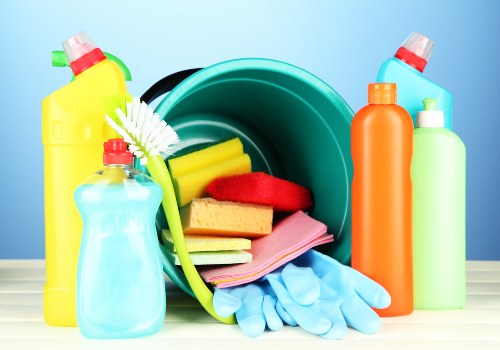
Having the right tools makes sofa cleaning more efficient and less stressful. Basic items include a vacuum with upholstery attachments, soft microfiber cloths, a lint roller, a soft-bristled brush, and cleaning products suited to your couch’s fabric.
For deeper maintenance, some people also use handheld steamers, carpet extractors with upholstery accessories, or specialized upholstery cleaning machines. These tools can be effective when used correctly, but they must match the sofa material and manufacturer recommendations.
Helpful sofa cleaning supplies often include:
- Vacuum with crevice and upholstery attachments
- Microfiber cloths for blotting and wiping
- Fabric-safe stain remover
- Baking soda for odor control
- Soft brush for lifting dirt and hair
- Leather conditioner for leather furniture
How Often Should You Clean a Sofa?
The answer depends on usage, fabric type, and household conditions. As a general rule, vacuuming should happen weekly, spot cleaning should occur as soon as spills happen, and deeper sofa cleaning should be scheduled every few months or at least twice a year.
In homes with pets, smokers, or allergy concerns, more frequent cleaning may be necessary. High-traffic sofas benefit from extra care because the accumulation of dirt happens faster than most people realize.
Seasonal cleaning is a practical way to stay on track. For example, many households choose to deep clean in spring and again before the holidays. That routine helps keep the sofa fresh when guests are more likely to visit.
Eco-Friendly Sofa Cleaning Options
Many homeowners prefer greener cleaning methods, and there are several effective eco-friendly options for sofa cleaning. Baking soda, distilled white vinegar in controlled use, plant-based cleaners, and low-residue upholstery sprays can all help reduce chemical exposure.
Choosing biodegradable or non-toxic products can be a smart move for families with children, pets, or sensitivities. However, even natural products should be tested first, because eco-friendly does not automatically mean safe for every fabric.
Energy-efficient practices also matter. Air drying instead of using excessive heat, cleaning in smaller sections, and maintaining the sofa regularly can reduce the need for intense interventions later. Sustainable sofa cleaning starts with prevention.
How Professional Sofa Cleaning Adds Value
While do-it-yourself methods can handle many everyday issues, professional sofa cleaning offers a deeper level of treatment. Professionals have the knowledge, tools, and cleaning agents to address embedded dirt, stubborn stains, and delicate fabrics more effectively than standard household methods.
They can also identify the safest approach for unique upholstery types. This matters for antique pieces, designer sofas, and specialty fabrics that need extra care. A professional service can help preserve the sofa’s look, feel, and durability.
For people with limited time, professional sofa cleaning provides convenience as well. It removes guesswork and can save hours of effort while delivering noticeable results. If your sofa is a major part of your living space, investing in expert cleaning can be worthwhile.
Final Thoughts on Maintaining a Clean and Comfortable Sofa
Good sofa cleaning is not a one-time chore. It is a practical habit that supports comfort, appearance, hygiene, and long-term furniture care. By understanding your upholstery type, responding quickly to spills, and maintaining a regular cleaning routine, you can keep your sofa looking and feeling its best.
Whether you handle the work yourself or choose professional sofa cleaning, consistency is what makes the biggest difference. Small, regular efforts prevent larger problems and help your furniture stay inviting in every season.
If your sofa has lost its brightness, picked up odors, or developed stubborn stains, now is the right time to act. Book your service now and restore the freshness of your living space. Contact us today to take the next step toward a cleaner, healthier home.