Deep Cleaning in Modern Homes: A Practical Approach to a Healthier Space
Deep cleaning is more than a regular tidy-up. It is the process of removing built-up dirt, dust, grease, grime, and bacteria from areas that often get overlooked in day-to-day cleaning. For homeowners, renters, and property managers alike, deep cleaning plays a major role in maintaining a healthier, more comfortable environment. Whether you are preparing for a seasonal reset, moving into a new place, or simply want your home to feel refreshed, a structured deep cleaning routine can make a dramatic difference.
Many people search for deep cleaning services when they notice stubborn stains, lingering odors, dusty corners, or neglected spaces that are not handled by standard cleaning. The value of deep cleaning lies in its attention to detail. It reaches baseboards, vents, appliances, behind furniture, grout lines, and other areas where buildup quietly accumulates. This is why a well-planned deep cleaning in any home can improve appearance, indoor air quality, and overall cleanliness.
In this article, we will explore what deep cleaning includes, why it matters, how often it should be done, and which areas deserve special attention. You will also find practical tips, room-by-room recommendations, and helpful ideas for maintaining results longer. If your goal is a fresher living space, this article will help you understand the real benefits of deep cleaning and how to approach it effectively.
What Deep Cleaning Really Means

At its core, deep cleaning is a detailed, intensive cleaning process designed to eliminate dirt and buildup in places that are usually ignored during routine chores. Unlike surface cleaning, which focuses on visible messes, deep cleaning targets hidden grime. It often requires extra time, specialized tools, and a step-by-step plan to ensure every room is addressed properly.
A standard weekly clean may include vacuuming, wiping counters, and taking out the trash. By comparison, deep cleaning goes further. It may involve scrubbing tile grout, cleaning inside cabinets, dusting ceiling fans, washing baseboards, disinfecting high-touch surfaces, and removing buildup from appliances. This makes deep cleaning an essential part of long-term home maintenance.
People often choose deep cleaning before major events, after illness, at the beginning of a season, or when moving in or out of a property. In each case, the purpose is the same: restore cleanliness to a higher standard. A well-done deep cleaning can transform how a space looks, feels, and functions.
Why Deep Cleaning Matters for Every Home
One of the biggest benefits of deep cleaning is that it supports a healthier home. Dust, pollen, pet dander, and bacteria often collect in areas that are easy to forget. Over time, these particles may affect allergies, create unpleasant odors, and make rooms feel less fresh. Regular deep cleaning helps reduce these hidden irritants.
Another reason deep cleaning matters is that it preserves the condition of your home. Grease on kitchen surfaces, soap scum in bathrooms, and dust buildup on furniture can all lead to long-term wear. By investing time in deep cleaning, you protect surfaces, extend the life of fixtures, and keep materials looking better for longer.
There is also a strong emotional benefit. A thoroughly cleaned home often feels more peaceful and organized. Many people find that deep cleaning improves focus, reduces stress, and creates a sense of control. Clean surroundings can make daily life feel easier and more enjoyable.
Common Reasons People Schedule Deep Cleaning

- Seasonal refresh, such as spring or fall cleaning
- Preparing a home for guests or special events
- Moving into a new property
- Moving out before a final inspection
- Recovering after illness or renovation
- Keeping up with a busy household
- Addressing areas missed during regular cleaning
Key Areas Covered During Deep Cleaning
When planning deep cleaning in a home, the process should be organized by area. This helps ensure nothing important is missed. Bedrooms, kitchens, bathrooms, living rooms, hallways, and utility spaces each have different needs. Deep cleaning is most effective when each space is treated according to its specific challenges.
For example, kitchens require attention to grease, food residue, and appliance interiors. Bathrooms demand scrubbing, disinfection, and moisture control. Living spaces often collect dust on furniture, electronics, and decorative items. A proper deep cleaning routine adapts to the room, the materials, and the level of buildup.
Below are some of the most common areas included in a detailed deep cleaning plan. These spaces tend to hide the most grime and should not be skipped if the goal is a truly refreshed home.
High-Impact Spots Often Overlooked
- Baseboards and trim
- Behind and under furniture
- Ceiling fans and light fixtures
- Inside cabinets and drawers
- Window tracks and sills
- Air vents and return grilles
- Appliance interiors and exteriors
- Door frames and handles
Deep Cleaning the Kitchen for Better Hygiene
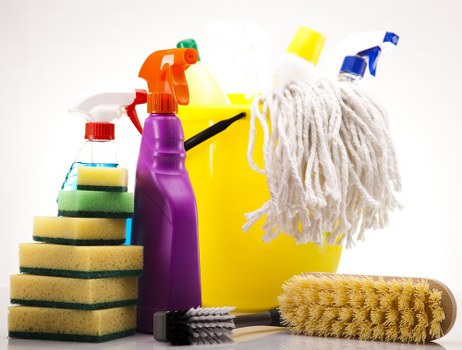
The kitchen is one of the most important rooms to address during deep cleaning. Because food is prepared here, cleanliness has a direct connection to hygiene and safety. Grease, crumbs, spills, and moisture can build up quickly, especially in high-use households. A thorough deep cleaning of the kitchen helps reduce odors, improve sanitation, and keep surfaces in better condition.
Start by emptying cabinets where needed and wiping down shelves, corners, and handles. Clean the inside and outside of appliances, including the refrigerator, oven, microwave, and dishwasher. Pay special attention to the area around the stove, where grease often collects. This type of deep cleaning removes buildup that routine wiping often misses.
Don’t forget the sink, backsplash, and floor. Scrub grout lines, sanitize counters, and move appliances when possible to clean hidden dust and crumbs. For many households, deep cleaning the kitchen also includes checking expiration dates, organizing pantry items, and clearing clutter so the entire room feels more functional.
Kitchen Deep Cleaning Checklist
- Clean refrigerator shelves and drawers
- Degrease stovetop, hood, and backsplash
- Scrub sink and faucet fixtures
- Wipe cabinet doors and handles
- Clean microwave inside and out
- Mop under and behind appliances
- Disinfect trash bins and sorting areas
Bathroom Deep Cleaning for a Fresher Feel
Bathrooms require special attention during deep cleaning because they are exposed to moisture, soap residue, and frequent use. Over time, this environment can lead to mildew, hard water stains, and buildup on tile, glass, and fixtures. A targeted deep cleaning approach helps restore brightness and freshness to the room.
Begin with mirrors, sinks, countertops, and faucets. Scrub toilets thoroughly, including the base and surrounding floor. Shower walls, tubs, and glass doors should be treated for soap scum and mineral deposits. This level of deep cleaning makes the bathroom feel more sanitary and easier to maintain afterward.
Ventilation is also important. Clean fans, wipe light fixtures, and remove dust from corners and edges where humidity can cause buildup. If grout lines or tile edges show discoloration, a more intensive deep cleaning pass may be necessary. Bathrooms benefit from consistent care, and a properly cleaned space can look dramatically better with only a few focused hours of work.
Living Room and Bedroom Deep Cleaning
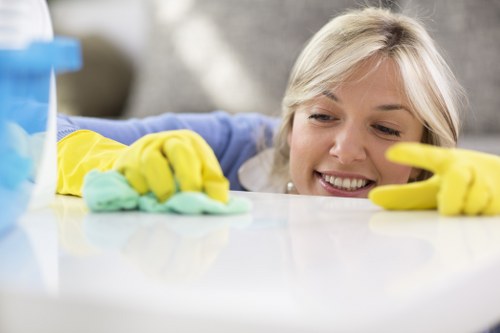
Living rooms and bedrooms may seem clean at first glance, but they often contain hidden dust and debris. Upholstered furniture, rugs, curtains, mattresses, and decorative items can collect particles over time. A regular vacuum is useful, but deep cleaning goes much further by tackling dust behind furniture, under cushions, and along edges.
In the living room, move furniture where possible and vacuum beneath sofas, chairs, and tables. Dust electronics, shelves, frames, and decor. Wash throw blankets and cushion covers if needed. This kind of deep cleaning improves the room’s appearance and can also reduce allergens. A clean living area often feels calmer and more inviting.
Bedrooms benefit from similar attention. Wash bedding, vacuum mattresses, dust under beds, and clean nightstands, lamps, and closets. If storage has accumulated clutter, deep cleaning is a perfect opportunity to reorganize. A bedroom refreshed through deep cleaning often supports better rest and a more peaceful daily routine.
Tips for Soft Furnishings
- Vacuum upholstery using a brush attachment
- Spot clean stains promptly
- Wash removable covers according to instructions
- Rotate cushions and mattress position when appropriate
- Use fabric-safe deodorizers sparingly
How Often Should Deep Cleaning Be Done?
The right deep cleaning schedule depends on household size, lifestyle, pets, children, and daily traffic. Some homes benefit from deep cleaning every few months, while others may only need it once or twice a year. Homes with allergies, active kitchens, or multiple occupants may require more frequent attention.
A good rule of thumb is to pair routine cleaning with periodic deep cleaning. Weekly maintenance keeps dust and mess under control, while seasonal or quarterly deep cleaning addresses the buildup that accumulates over time. This balance makes the home easier to manage and prevents overwhelming messes from developing.
For busy households, creating a schedule can make deep cleaning feel less daunting. Breaking the task into smaller sections is often more realistic than trying to clean everything at once. This method also helps ensure every room gets attention without sacrificing quality.
Suggested Deep Cleaning Frequency
- Monthly: high-use kitchens and bathrooms
- Quarterly: living spaces, bedrooms, baseboards, windows
- Seasonally: storage areas, vents, closets, and behind furniture
- As needed: post-renovation, move-in, move-out, or after illness
Professional Deep Cleaning vs. DIY Deep Cleaning
Many homeowners choose between doing deep cleaning themselves and hiring professionals. Both options can be effective, but they serve different needs. DIY deep cleaning may be ideal for regular upkeep, smaller homes, or people who enjoy cleaning projects. Professional services, however, are often better for larger spaces, heavy buildup, or situations that require specialized equipment.
A professional deep cleaning service typically brings experience, time-saving efficiency, and a more detailed process. Trained cleaners know how to tackle difficult areas and may use commercial-grade tools or products. This can be especially useful when the home needs a top-to-bottom reset and the owner wants reliable results without spending an entire weekend on the task.
DIY deep cleaning can still achieve excellent results if done carefully. The key is to use a plan, divide the work by room, and gather the right supplies before beginning. Whether you choose to do it yourself or book a service, the goal of deep cleaning remains the same: a cleaner, healthier, more comfortable space.
When Professional Help Makes Sense
- Large home or multiple floors
- Heavy buildup or long-neglected areas
- Limited time or physical constraints
- Move-in or move-out cleaning needs
- Post-event or post-renovation cleanup
- Desire for a detailed reset before a new season
Best Practices for Effective Deep Cleaning

If you want your deep cleaning efforts to be truly effective, strategy matters. Randomly cleaning one area and then jumping to another can waste time and make progress harder to track. A better approach is to clean from top to bottom, and from one side of the room to the other. This reduces the chance of re-cleaning surfaces after dust falls.
It also helps to use the right tools. Microfiber cloths, scrub brushes, vacuum attachments, disinfectants, glass cleaner, and a good mop can make deep cleaning much easier. Always follow product labels, especially on delicate surfaces like stone, hardwood, or stainless steel. Using the wrong cleaner may damage finishes or leave residue behind.
Finally, don’t underestimate the power of consistency. Even the best deep cleaning session will not last forever if regular maintenance is ignored. Small, repeated habits such as wiping counters daily, vacuuming high-traffic areas, and staying ahead of clutter can extend the benefits of your work significantly.
Smart Deep Cleaning Habits
- Work room by room
- Use a checklist to stay organized
- Start with dusting and end with floors
- Keep supplies in one easy-to-carry caddy
- Declutter before scrubbing surfaces
- Focus on high-touch zones frequently
How Deep Cleaning Supports Better Home Maintenance
Deep cleaning is not just about appearance. It is also a form of maintenance that helps prevent bigger problems later. For instance, removing grime from tile, fixtures, or appliances can reduce wear and improve performance. Keeping vents, fans, and filters cleaner can also support better airflow and comfort throughout the home.
Another benefit is that deep cleaning makes it easier to spot issues early. Hidden leaks, mold growth, damaged grout, pest activity, and wear on furniture are often discovered during a thorough clean. Catching these problems early can save time, money, and stress. This is one reason why regular deep cleaning is a smart habit for property care.
In addition, a clean home supports better routines. When the environment is orderly, it becomes simpler to cook, relax, sleep, and focus. Whether you are managing a family home, apartment, or rental property, deep cleaning contributes to the overall quality of the space.
Conclusion: Make Deep Cleaning Part of a Healthy Routine
Deep cleaning is one of the most effective ways to refresh a home, improve hygiene, and protect your living space over time. Unlike basic surface cleaning, deep cleaning targets the hidden dirt and buildup that quietly affects comfort and cleanliness. From kitchens and bathrooms to bedrooms and living rooms, every area benefits from thoughtful attention and a structured approach.
Whether you handle the work yourself or choose professional help, the key is consistency. A regular deep cleaning schedule keeps your home looking better, feeling healthier, and functioning more smoothly. With the right plan, tools, and focus, even the most neglected corners can be restored.
If your home is ready for a reset, now is the perfect time to take the next step. Book your service now or contact us today to begin your deep cleaning journey and enjoy a noticeably cleaner space.