Tufnell Park deep clean for Fortess Road flats: a practical guide for landlords, tenants, and busy homeowners
If you live in, manage, or are about to hand over a flat on Fortess Road, a proper Tufnell Park deep clean for Fortess Road flats can make an immediate difference. Not just a quick tidy. We are talking about the sort of clean that gets into the corners, lifts built-up grime, and leaves a flat feeling properly reset. In a London flat, where space is tight and life tends to happen fast, that matters more than people admit.
Whether you are preparing for new tenants, trying to revive a home after months of busy living, or simply tackling the kind of dirt that creeps in around ovens, skirting boards, and bathroom fittings, this guide walks through what a deep clean should cover, how the process works, and what to watch out for. It is practical, local, and aimed at real flats on real streets - not some glossy ideal that nobody actually lives in.
Why Tufnell Park deep clean for Fortess Road flats Matters
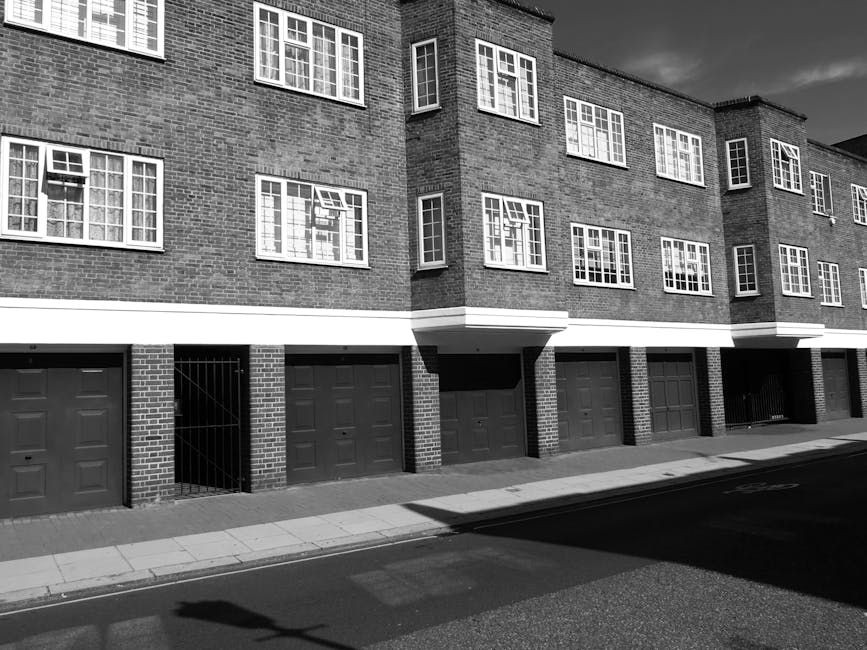
Fortess Road flats tend to have a few things in common: compact layouts, shared entry areas, lots of foot traffic, and a constant battle between everyday use and the need to keep everything looking decent. That is why a deep clean is not just a fussy extra. It is often the point where a flat goes from "fine, I suppose" to genuinely presentable.
In smaller London homes, grime builds in layers. It is rarely one dramatic mess. More often it is a gentle accumulation: grease on kitchen tiles, dust gathering on top of doors, limescale in the bathroom, fingerprints around light switches, and that odd dusty smell that appears when windows have been shut for too long. You know the one. A deep clean tackles all of that in a structured way.
For tenants, it can help protect a deposit and reduce the risk of awkward conversations at the end of a tenancy. For landlords and managing agents, it supports faster re-letting and gives the property a better first impression. And for owner-occupiers, it creates a cleaner baseline so regular cleaning is easier afterwards. Truth be told, once a flat has had a proper deep clean, normal upkeep suddenly feels much less annoying.
There is also a wellbeing angle, though we do not need to overstate it. A cleaner kitchen smells better. A better-cleaned bathroom feels calmer. Fresh carpets and upholstery can make a room seem brighter, even without touching the paint. Small changes, but they add up.
Expert takeaway: a deep clean is most valuable when a flat has reached the point where regular cleaning is no longer enough. If you can wipe it in ten minutes, it is maintenance. If you need to reorganise the whole room to clean it properly, it is time for a deep clean.
How Tufnell Park deep clean for Fortess Road flats Works
A proper deep clean is more methodical than most people expect. It is not just "clean everything harder". It should follow a sensible sequence, because order matters. If you clean floors before dusting high points, for example, you will end up repeating work. Not ideal. And no one enjoys doing the same job twice.
For a flat on Fortess Road, the work usually begins with an assessment of the rooms, surfaces, and problem areas. Kitchens and bathrooms usually take priority because they trap grease, moisture, soap residue, and general build-up faster than any other rooms. Living spaces, bedrooms, hallways, and communal entry touches follow after that.
A thorough deep clean often includes:
- dusting and wiping accessible surfaces from top to bottom
- cleaning skirting boards, door frames, and switches
- degreasing kitchen surfaces and appliance exteriors
- scrubbing bathroom fixtures, tiles, and fittings
- vacuuming edges, corners, and under furniture where possible
- mopping hard floors carefully, without leaving sticky residue
- spot cleaning marks on walls, doors, and handles
- cleaning internal glass and accessible windows where relevant
In practice, the best results come from a room-by-room sequence. Kitchens first or bathrooms first can vary, but the principle stays the same: clear, methodical, no rushing around randomly. That approach is especially useful in flats, where turning one small area upside down can quickly block access to the rest of the property.
If you are comparing service types, a deep clean sits above regular cleaning and usually overlaps with a one-off cleaning visit when the property needs a reset rather than ongoing maintenance. For furnished homes, it may also make sense to combine it with oven cleaning, window cleaning, or specialist upholstery work if soft furnishings have taken a beating.
Key Benefits and Practical Advantages
The benefits are more concrete than people sometimes think. A deep clean is not only about appearances. It improves how the flat functions day to day.
- Better first impressions: useful for viewings, tenant changeovers, and move-ins.
- Less wear on surfaces: removing grime early helps prevent sticky build-up and staining.
- Cleaner air feel: dust and residue are reduced, which often makes a flat feel fresher.
- More realistic upkeep: once the baseline is reset, weekly cleaning becomes much easier.
- Better use of limited space: in a flat, every visible surface matters.
- Stronger end-of-tenancy readiness: helpful when the property must be handed back in a respectable state.
There is another benefit that gets overlooked: confidence. When a flat has been properly deep cleaned, you stop noticing all the little rough edges. That matters when you are showing a property to a new tenant or moving into a place you want to feel like home. It is a mental lift as much as a physical one.
For landlords and agents, a clean flat can also reduce avoidable complaints. Nobody wants to be chased about dust behind a radiator or residue under a sink after move-in day. Better to deal with it properly once, right?
Who This Is For and When It Makes Sense
A Tufnell Park deep clean for Fortess Road flats makes sense in a few common situations, and probably more often than people admit.
Tenants at the end of a tenancy
If you are preparing to move out, a deep clean can support a smoother handover. It is especially relevant if the flat has been lived in for a while and has accumulated cooking grease, bathroom residue, or carpet wear. For some people, combining this with end of tenancy cleaning is the simplest route because the timing and expectations line up neatly.
New tenants moving in
Move-in day is much better when the flat feels fresh rather than half-cleaned by the people who left. A move in cleaning service can be a smart choice if you want cupboards, floors, and bathroom areas properly reset before boxes arrive and everyone is tired.
Landlords and letting agents
Vacant flats need a different kind of care. A deep clean can help the property present well in photographs, during viewings, and before inventory checks. If the flat has been empty for a while, a deeper service may also include some domestic cleaning touches and targeted detail work in the kitchen and bathroom.
Homeowners and long-term residents
Sometimes you do not need a full reset for a move or a tenancy. Sometimes the flat just needs a proper once-over after a busy winter, renovation dust, or months of life getting in the way. That is where deep cleaning and house cleaning can be helpful in slightly different ways.
Short-let hosts and busy hosts
On the hosting side, turnaround timing matters. A property used for short stays often needs a more disciplined cleaning rhythm. If that sounds familiar, Airbnb cleaning may be the better fit, especially if the flat needs to be guest-ready quickly without missing detail work.
Step-by-Step Guidance
If you are planning or briefing a cleaner, it helps to understand the sequence. The best deep cleans are not random. They follow a plan.
- Declutter first. Remove laundry, dishes, loose items, bins, and anything sitting on surfaces. Cleaners can do a better job when they are not navigating around clutter.
- Start high and work down. Dust top shelves, light fittings, and high ledges first so debris falls before floors are tackled.
- Treat the kitchen methodically. Degrease visible surfaces, clean cupboard fronts, wipe handles, clear splashbacks, and pay attention to the hob area and extractor surfaces if accessible.
- Move through bathrooms carefully. Tackle limescale, soap marks, taps, sinks, toilet bases, shower screens, and those awkward corners around fittings.
- Clean living areas and bedrooms. Focus on dust, fingerprints, skirting boards, internal glass, and under-furniture areas if the layout allows.
- Deal with soft furnishings and floors. Vacuum thoroughly, including edges and under accessible furniture. If needed, book specialist treatments such as carpet cleaning, sofa cleaning, or upholstery cleaning.
- Do the final detail pass. Check switches, handles, mirrors, visible marks, and any places where dust tends to reappear the second nobody is looking. Annoying, but normal.
If the flat has had building dust, renovation residue, or a recent repair, the order may need adjusting. In that case, after builders cleaning is worth considering because fine dust behaves differently from everyday dirt. It gets everywhere. Honestly, it is like it has a travel plan.
Expert Tips for Better Results
A few small decisions make a big difference.
- Use the right cloth for the right job. Microfibre for dusting and wiping is usually better than pushing grime around with old rags.
- Never over-wet surfaces. In flats, moisture can linger. Too much water on wood, laminate, or painted trim is asking for trouble.
- Let products dwell briefly. Degreasers and bathroom cleaners often work better when given a minute to do their thing before wiping.
- Work from the cleanest area to the dirtiest. It sounds obvious, but it saves rework.
- Lift small items off the floor. Shoes, baskets, and loose bits make vacuuming slower and less effective.
- Check lighting before and after. Natural daylight can reveal missed marks that overhead bulbs hide. Mid-morning light is brutal, in a useful way.
One thing many people forget: ventilation. Open windows where safe and practical. It helps with drying, odours, and that heavy "cleaner smell" that can hang around a flat if everything is sealed up. Fresh air, even for ten minutes, changes the feel of the place.
And if you are trying to choose between doing it yourself and booking help, ask yourself a simple question: do you want the flat to be tidy, or do you want it to be properly reset? Those are not the same thing.
Common Mistakes to Avoid
Deep cleaning sounds straightforward, but a few mistakes come up again and again.
- Cleaning in the wrong order: doing floors first almost always leads to extra work later.
- Ignoring hidden grime: behind bins, under sinks, around handles, and along skirting boards are common problem spots.
- Using too many products: more spray does not mean more clean. Sometimes it just means more residue.
- Forgetting soft furnishings: carpets, mattresses, and sofas often hold odours or dust even when the rest of the flat looks fine.
- Leaving the kitchen until last: kitchens usually need the most time, so they should not be an afterthought.
- Skipping the final inspection: a quick walk-through often catches the small things that actually matter.
Another common issue is assuming the flat is "nearly clean enough" once the obvious bits look decent. In practice, the difference between almost-clean and properly clean is often in the details: the top of a door frame, the side of a tap, the lip of a shower screen, the groove around a hob. Tiny places. Huge effect.
Tools, Resources and Recommendations
You do not need a mountain of gear, but you do need the basics done properly.
| Task | Useful tools or approach | Why it helps |
|---|---|---|
| Dusting surfaces | Microfibre cloths, extendable duster | Traps dust instead of spreading it around |
| Kitchen degreasing | Suitable degreaser, non-scratch pads | Lifts cooking residue without damaging finishes |
| Bathroom detailing | Limescale remover, detail brush | Reaches taps, grout lines, and awkward corners |
| Floors | Vacuum with attachments, mop suitable for flooring type | Improves edge cleaning and reduces streaking |
| Soft furnishings | Specialist fabric treatment or professional service | Useful for odours, embedded dust, and stains |
If you want the job done once and done properly, pair general cleaning with targeted services only where they genuinely add value. For example, a heavily used mattress may benefit from mattress cleaning, while curtains, padded chairs, or a tired corner sofa may need more than a surface wipe. That is where specialist attention can be worth it.
It is also sensible to think about the type of flat. A compact studio on Fortess Road, for instance, may need a different balance of detail than a larger split-level conversion. Tight kitchens and bathrooms can be more labour-intensive than people expect, while bigger living areas can hide dust in plain sight. Funny how that works.
Law, Compliance, Standards, or Best Practice
For most people booking or arranging a deep clean, the practical concern is not legal theory. It is whether the work is done safely, sensibly, and to a professional standard. Still, a few UK best-practice points are worth keeping in mind.
Cleaning providers should operate with sensible safety practices, especially where chemicals, electrical appliances, ladders, or access issues are involved. It is normal to expect clear communication about what is included, what is excluded, and whether any areas need special handling. If you are comparing providers, it helps to review their health and safety policy and insurance and safety information so you know how they approach risk and responsibility.
For tenants and landlords, the bigger point is usually the tenancy agreement and inventory condition. Exact expectations can vary, so it is wise to check the specific property paperwork rather than rely on assumptions. A deep clean does not replace a formal requirement in a lease or check-in report, but it does help you meet a reasonable standard more confidently.
Transparency matters too. If you are arranging payment, payment and security details should be clear before work starts. And if you want to understand how service issues are handled, it is worth reviewing the company's complaints procedure and terms and conditions. Not glamorous reading, granted, but useful.
There is also a sustainability angle that many local customers care about now. Responsible product use, sensible waste handling, and reduced water waste are all part of modern best practice. If that matters to you - and fair enough if it does - have a look at the company's approach to recycling and sustainability.
Options, Methods, or Comparison Table
Not every flat needs the same style of service. Sometimes the best choice is a focused deep clean. Sometimes you need a broader move-related clean. Here is a simple way to think about it.
| Option | Best for | What it covers | Typical fit |
|---|---|---|---|
| Regular cleaning | Ongoing upkeep | Routine dusting, wiping, floors | Weekly or fortnightly maintenance |
| One-off cleaning | Occasional reset | General clean with more detail than routine work | Busy homes, pre-event tidy-ups |
| Deep cleaning | Heavy build-up or full refresh | Detail work, harder-to-reach areas, thorough reset | Move-outs, move-ins, neglected areas |
| End of tenancy cleaning | Tenancy handover | Broader, inventory-minded clean | Rental property check-out |
| Move in cleaning | Before unpacking | Fresh start cleaning, cupboards, surfaces, bathrooms | New residents entering a flat |
For Fortess Road flats, the decision often comes down to timing. If the property is empty, a move-oriented clean can be the cleanest route. If people are still living there, a one-off deep clean may be more appropriate because it can work around daily life without expecting the impossible.
Case Study or Real-World Example
Picture a two-bedroom flat near Fortess Road after a busy year of shared living. The kitchen has a greasy extractor hood, some dull cupboard fronts, and a stubborn ring around the sink. The bathroom is not filthy, exactly, but the grout has lost its brightness and the glass screen shows water marks that keep returning. In the lounge, the sofa looks fine from across the room, but a closer look reveals dust, crumbs, and the sort of lived-in smell that opens the window and still somehow lingers.
A standard tidy-up would make the place look acceptable for a few hours. A deep clean changes the baseline. Once the kitchen grease is removed, the bathroom fittings are descaled, and the soft furnishings are treated properly, the whole flat reads differently. Brighter. Fresher. More cared for.
In a real situation like this, the best outcome usually comes from matching the clean to the property's actual condition, not an imagined perfect version of it. Sometimes the floor needs extra attention. Sometimes the oven does. Sometimes the sofa is the silent culprit. And yes, sometimes the window ledges are holding a shocking amount of dust for something so small.
The best results are usually not about perfection. They are about reset, clarity, and a clean that makes the flat easier to live in or hand over.
Practical Checklist
Use this as a quick pre-clean or handover checklist for a Fortess Road flat.
- Remove clutter from worktops, floors, and bathroom surfaces
- Clear bins and empty the fridge if needed
- Defrost or switch off appliances where appropriate
- Check for hidden marks on doors, handles, and switches
- Note any damaged seals, loose fixtures, or maintenance issues
- Decide whether carpets or upholstery need specialist treatment
- Leave access to windows, cupboards, and under-sink areas
- Make sure cleaners can reach plug sockets, taps, and skirting boards
- Confirm whether you need move-in, move-out, or one-off cleaning
- Do a final walk-through after the clean with daylight if possible
Quick tip: if you can only spare time for three areas, do the kitchen, bathroom, and floors first. Those three usually shape how clean the flat feels overall.
Get a free quote today and see how much you can save.
Conclusion
A Tufnell Park deep clean for Fortess Road flats is really about getting a property back to a standard that feels calm, usable, and trustworthy. For tenants, that might mean a smoother move. For landlords, it may mean better presentation and fewer delays. For residents, it can be the difference between a flat that just functions and one that feels genuinely comfortable again.
The key is to treat the clean as a reset, not a quick cosmetic fix. Focus on the rooms that matter most, work methodically, and do not ignore the details that people notice the moment they walk in. A clean flat has a way of making everything else feel a bit more manageable. Small miracle, really.
If you want a service that is clear, careful, and properly aligned with your property's condition, take the time to review the available deep cleaning approach alongside any specialist extras that suit your flat. A little planning now can save a lot of hassle later, and that is usually time well spent.
There is something reassuring about standing in a freshly cleaned flat, looking around, and knowing it is ready for whatever comes next. That moment matters.
Frequently Asked Questions
What does a deep clean for a flat on Fortess Road usually include?
It usually covers detailed cleaning of kitchens, bathrooms, floors, skirting boards, doors, switches, visible surfaces, and other build-up areas that regular cleaning may not fully address. Depending on the property, it may also include internal glass and specialist add-ons.
Is a deep clean the same as end of tenancy cleaning?
Not exactly. They overlap, but end of tenancy cleaning is usually more tied to handover and inventory expectations, while a deep clean is broader and can be used at many stages of occupancy. If you are moving out, the two often work well together.
How long does a deep clean take in a typical flat?
It depends on size, condition, and access. A compact flat with light build-up will take less time than a larger flat with heavy grease, limescale, or neglected areas. The best approach is to assess the actual property rather than guess from square footage alone.
Do I need to move furniture before the cleaners arrive?
It helps, especially for floor access and dusting around edges. You do not need to empty the flat, but clearing clutter, laundry, and loose items makes the work much more effective.
Can a deep clean help with deposit return?
It can help meet the expected cleanliness standard at the end of a tenancy, which may reduce disputes over dirt and build-up. It does not guarantee a deposit outcome, since that depends on the tenancy agreement, inventory, and property condition overall.
What if my flat has carpet, upholstery, or mattress issues too?
Then it makes sense to combine the main clean with specialist services such as carpet cleaning, sofa cleaning, upholstery cleaning, or mattress cleaning where needed. That is often better than leaving soft furnishings half-freshened.
Is one-off cleaning enough, or do I need a deep clean?
If the flat is generally in good shape and just needs a refresh, one-off cleaning may be enough. If there is noticeable build-up, greasy kitchen areas, or bathroom limescale, a deep clean is usually the better choice.
Are deep cleans suitable for furnished flats?
Yes. In fact, furnished flats often benefit a lot because dust and residue can build up on and around sofas, beds, wardrobes, and tables. The cleaner just needs access and clarity about what is moveable.
What should I check before booking a cleaner?
Check what is included, what is excluded, whether the service fits your property condition, and whether the provider is clear about safety, insurance, payment, and complaints handling. Those details are boring until they matter, then they matter a lot.
How often should a flat be deep cleaned?
There is no single rule. Many people book one after a tenancy ends, before moving in, or after a long period of regular use. If the flat starts feeling dull, sticky, or hard to maintain, that is usually a good sign it needs a reset.
Can a deep clean improve the smell of a flat?
Yes, often significantly. Dust, cooking residue, bins, soft furnishings, and bathroom build-up all contribute to a flat's smell. A proper deep clean can remove a lot of that background odour and make the home feel fresher.
What is the best first step if I am not sure which service I need?
Start by identifying the flat's condition and your goal: move-out, move-in, reset, or maintenance. Then match that to the most suitable service. If you are unsure, a well-structured deep clean is often the safest middle ground because it covers the areas that matter most.